Contemporary Foreign Languages Studies
2025, 25 (
):
156-169.
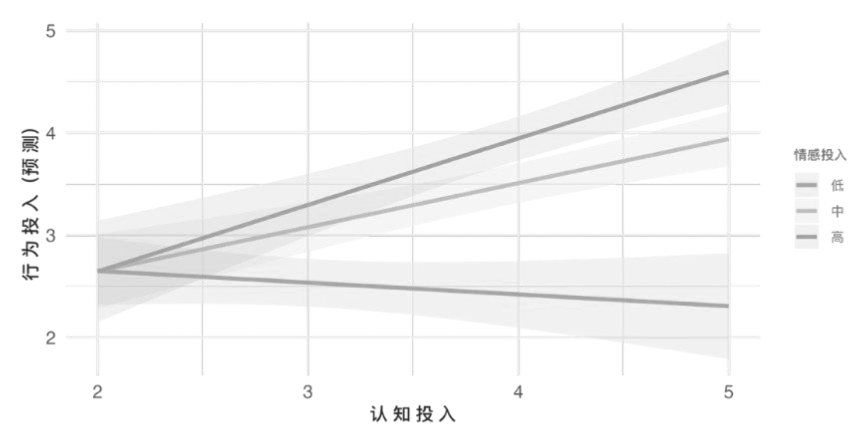
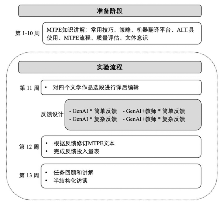
The integration of GenAI into translation training is calling for the optimization of feedback mechanisms to enhance learner engagement. This study investigates the influence of feedback modality (GenAI-only feedback vs. GenAI-instructor collaborative feedback) and feedback complexity on learners’ emotional, cognitive, and behavioral engagement, as well as on the quality of subsequent revisions. Twenty-four senior undergraduate students completed a literary MTPE task incorporating typical rhetorical devices. Data were obtained from their revised outputs, questionnaire responses, and semi-structured interviews. Our findings reveal that: (1) collaborative feedback significantly enhanced three dimensions of engagement and revision quality; (2) learners favored concise and contextually relevant feedback, indicating that feedback complexity should be dynamically tailored to task characteristics and individual learner profiles; and (3) the interaction between emotional and cognitive engagement facilitated more effective revisions. Overall, collaborative feedback demonstrated superior credibility, comprehensibility, and actionability compared to GenAI-only feedback, thereby fostering learner engagement more effectively. This research offers empirical evidence for refining feedback mechanisms in MTPE instruction in the era of AI and provides practical insights for the design of intelligent, human—machine collaborative educational strategies.