

诊断学理论与实践 ›› 2026, Vol. 25 ›› Issue (04): 389-398.doi: 10.16150/j.1671-2870.2026.04.001
钟久昌1,2( ), 董昭杰1()
收稿日期:2025-12-08
修回日期:2026-01-08
接受日期:2026-01-08
出版日期:2026-08-25
发布日期:2026-08-31
通讯作者:
钟久昌 E-mail:jczhong@sina.com;基金资助:
ZHONG Jiuchang1,2(), DONG Zhaojie1()
Received:2025-12-08
Revised:2026-01-08
Accepted:2026-01-08
Published:2026-08-25
Online:2026-08-31
摘要:
阻塞性睡眠呼吸暂停(obstructive sleep apnea,OSA)相关高血压是一种由于睡眠过程中反复出现上气道阻塞,引起呼吸暂停、低通气和(或)呼吸努力相关微觉醒为特征,产生慢性间歇性缺氧、二氧化碳潴留、交感神经活动、睡眠碎片化等,进而导致慢性缺氧和血压增高为特征的一组复杂的涉及全身多系统损害的临床综合征。其典型表现为难治性高血压,夜间高血压及晨起血压升高,呈现非杓型或反杓型血压节律。OSA相关高血压按病理生理表型可分为低氧负担型、高觉醒型、高环路增益型、上气道塌陷型、高醛固酮型、混合型及其他类型。目前,OSA相关高血压的临床管理和治疗目标制定过度依赖睡眠呼吸暂停低通气指数(apnea hypopnea index,AHI),临床存在患者异质性与病理生理分型不足、共病与混杂因素考虑不足,以及持续气道正压通气(continuous positive airway pressure,CPAP)治疗依从性差和有效治疗剂量不足等问题,给疾病诊治和患者管理带来新的挑战。另外,OSA相关高血压常与肥胖、肿瘤、原发性醛固酮增多症、代谢综合征、胰岛素抵抗、慢性肾脏病等共存,尤其是老年患者。因此,基于精确的异质性和病理生理分型,OSA相关高血压诊治需采用以AHI和低氧负担为核心的多维度评估和治疗策略,结合生活方式干预、有效降低低氧负担、减重与睡眠管理、药物治疗、CPAP治疗、经皮导管射频去肾交感神经术、外科手术、器械治疗,以及人工智能等技术创新、政策支持、医保政策,在患者共同参与下,构建全生命周期管理与治疗新的体系。
中图分类号:
钟久昌, 董昭杰. 阻塞性睡眠呼吸暂停相关高血压研究进展[J]. 诊断学理论与实践, 2026, 25(04): 389-398.
ZHONG Jiuchang, DONG Zhaojie. Research progress on obstructive sleep apnea-related hypertension[J]. Journal of Diagnostics Concepts & Practice, 2026, 25(04): 389-398.

图1
阻塞性睡眠呼吸暂停相关高血压的发生机制示意图

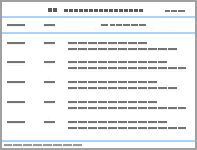
表1
自动调节压力持续气道正压通气和适应性伺服通气治疗原理、模式、机制及临床适用人群
| 项目 | APAP | ASV |
|---|---|---|
| 治疗原理 | 自动调节气道持续气道正压通气 | 自适应伺服通气 |
| 治疗机制 | 反应性治疗:对上气道事件做出反应;类似自动巡航的水管工 | 前摄性/预测性干预:对呼吸驱动不稳定做出预测和干预;类似智能呼吸节律指挥家 |
| 治疗目标 | 撑开上气道,消除阻塞性呼吸事件 | 稳定呼吸中枢驱动,消除中枢性或者周期性呼吸事件 |
| 治疗模式 | 属于单水平压力,在APAP设定范围内自动调节气道 | 属于动态双水平压力,吸气相气道正压和呼气相气道正压彼此独立模式兼智能变化 |
| 适应证 | 中重度OSA相关高血压患者,尤其是合并不能耐受固定压力CPAP患者或者合并心肺疾病或中重度肺部疾病的OSA相关高血压患者 | 中枢性睡眠呼吸暂停、心衰相关潮式呼吸、复杂性睡眠呼吸暂停 |
| 禁忌证 | 中枢性睡眠呼吸暂停患者 | 以单纯重度阻塞为主的OSA相关高血压患者 |
| [1] | Yeghiazarians Y, Jneid H, Tietjens J R, et al. Obstructive sleep apnea and cardiovascular disease: A scientific statement from the American heart association[J]. Circulation, 2021, 144(3):e56-e67. |
| [2] | 国家卫生健康委高血压诊疗研究重点实验室学术委员会. 2023阻塞性睡眠呼吸暂停相关性高血压临床诊断和治疗专家共识[J]. 中华高血压杂志, 2023, 31(12):1142-1155. |
| Academic Committee of the Key Laboratory for Hypertension Diagnosis and Treatment Research of the National Health Commission of China. Expert consensus on clinical diagnosis and treatment of obstructive sleep apnea associated hypertension (2023)[J]. Chin J Hypertens, 2023, 31(12):1142-1155. | |
| [3] | 余振球, 牟建军, 钟久昌. 实用高血压学[M]. 4版. 科学出版社, 2023. |
| Yu Zhenqiu, Mu Jianjun, Zhong Jiuchang. Practical hypertensionology[M].ed. Science Press, 2023. | |
| [4] | 中国高血压防治指南修订委员会, 高血压联盟(中国), 中国医疗保健国际交流促进会高血压病学分会, 等. 中国高血压防治指南(2024年修订版)[J]. 中华高血压杂志, 2024, 32(7):603-700. |
| China Hypertension Prevention and Treatment Guideline Revision Committee, Hypertension Alliance (China), Hypertension Branch of China Association for the Promotion of International Exchanges in Healthcare, et al. Chinese guidelines for the prevention and treatment of hypertension (revised in 2024)[J]. Chin J Hypertens, 2024, 32(7):603-700. | |
| [5] | 中国老年医学学会高血压分会, 北京高血压防治协会, 国家老年疾病临床医学研究中心(中国人民解放军总医院,首都医科大学宣武医院). 中国老年高血压管理指南2023[J]. 中华高血压杂志, 2023, 31(6):508-538. |
| Hypertension Branch of Chinese Geriatrics Society, Beijing Association for the Prevention and Treatment of Hypertension, National Clinical Research Center for Geria-tric Diseases. Chinese guideline for the management of hypertension in the elderly (2023)[J]. Chin J Hypertens, 2023, 31(6):508-538. | |
| [6] |
SONG J J, MA Z, WANG J, et al. Gender differences in hypertension[J]. J Cardiovasc Transl Res, 2020, 13(1):47-54.
doi: 10.1007/s12265-019-09888-z |
| [7] | 中国医药教育协会心血管内科专业委员会, 中国医师协会高血压专业委员会, 中华医学会心血管病学分会高血压学组. 中国继发性高血压临床筛查多学科专家共识(2023)[J]. 心脑血管病防治, 2023, 23(1):1-24. |
| The Professional Committee of Cardiovascular Medicine of China Medical Education Association, Hypertension Group of Cardiovascular Branch of Chinese Medical Association, Hypertension Professional Committee of Chinese Medical Association. Multidisciplinary expert consensus on clinical screening of secondary hypertension in China (2023)[J]. Cardio-Cerebrovasc Dis Prev Treat, 2023, 23(1):1-24. | |
| [8] | 马志强, 林子昕, 吴昊, 等. 难治性高血压的流行及诊治进展[J]. 诊断学理论与实践, 2025, 24(5):471-484. |
| Ma Zhiqiang, Lin Zixin, Wu Hao, et al. Prevalence, diagnosis, and treatment progress of resistant hypertension[J]. J Diagn Concepts Pract, 2025, 24(5):471-484. | |
| [9] | 芦方颖, 王毅, 李庆云. 阻塞性睡眠呼吸暂停与难治性高血压[J]. 中华结核和呼吸杂志, 2023, 46(2):206-210. |
| Lu Fangying, Wang Yi, Li Qingyun. Obstructive sleep apnea and refractory hypertension[J]. Chin J Tuberc Respir Dis, 2023, 46(2):206-210. | |
| [10] | 欧琼. 阻塞性睡眠呼吸暂停疾病管理的新策略与模式探讨[J]. 中华结核和呼吸杂志, 2025, 48(10):915-918. |
| Ou Qiong. Exploring novel strategies and models for the management of obstructive sleep apnea[J]. Chin J Tuberc Respir Dis, 2025, 48(10):915-918. | |
| [11] | 中国成人阻塞性睡眠呼吸暂停诊断和外科治疗指南制订工作组, 中华医学会耳鼻咽喉头颈外科学分会(咽喉学组、嗓音学组), 中华耳鼻咽喉头颈外科杂志编辑委员会. 成人阻塞性睡眠呼吸暂停诊断和外科治疗指南(2024)[J]. 中华耳鼻咽喉头颈外科杂志, 2025, 60(7):716-758. |
| Working Group of Guideline for the Diagnosis and Surgical Treatment of Adult OSA, Subspecialty Group of Laryngopharyngology, Society of Otorhinolaryngology Head and Neck Surgery, Chinese Medical Association; Subspecialty Group of Voice, Society of Otorhinolaryngology Head and Neck Surgery, Chinese Medical Association, Editorial Board of Chinese Journal of Otorhinolaryngology Head and Neck Surgery. Guideline for the diagnosis and surgical treatment of adult obstructive sleep apnea (2024)[J]. Chin J Otorhinolaryngol Head Neck Surg, 2025, 60(7):716-758. | |
| [12] | 陈钲, 韩红亚, 刘晓丽, 等. 阻塞性睡眠呼吸暂停综合征和高血压关系的研究进展[J]. 心血管病学进展, 2025, 46(3):193-197. |
| Cheng Zheng, Han Hongya, Liu Xiaoli, et al. The Relationship Between Obstructive Sleep Apnea Syndrome and Hypertension[J]. Adv Cardiovasc Dis, 2025, 46(3):193-197. | |
| [13] |
Li J, Wang S Y, Yan K X, et al. Intestinal microbiota by angiotensin receptor blocker therapy exerts protective effects against hypertensive damages[J]. iMeta, 2024, 3(4):e222.
doi: 10.1002/imt2.222 pmid: 39135690 |
| [14] |
Wang X, Zhao R, Guo J, et al. The role of plasma metabolites in mediating the effect of gut microbiota on obstructive sleep apnea: A two-step, two-sample Mendelian randomization study[J]. Nat Sci Sleep, 2025, 17:2119-2130.
doi: 10.2147/NSS.S527778 pmid: 40927699 |
| [15] | 中华医学会呼吸分会睡眠呼吸障碍学组, 中国医学装备协会呼吸病学装备技术专业委员会睡眠呼吸设备学组. 成人阻塞性睡眠呼吸暂停高危人群筛查与管理专家共识[J]. 中华健康管理学杂志, 2022, 16(8):520-528. |
| Sleep Disorder Group of Chinese Thoracic Society, Group of Sleep Disordered Breathing, Committee of Respiratory Diseases of China Association of Medical Equipment. xpert consensus on screening and management of high-risk population with obstructive sleep apnea in adults[J]. Chin J Health Manage, 2022, 16(8):520-528. | |
| [16] |
Feldstein C A. Blood pressure effects of CPAP in nonresistant and resistant hypertension associated with OSA: A systematic review of randomized clinical trials[J]. Clin Exp Hypertens, 2016, 38(4):337-346.
doi: 10.3109/10641963.2016.1148156 URL |
| [17] |
Da Costa Fernandes A C T, Azevedo J C M, Muxfeldt E S, et al. Long-term effect of continuous positive airway pressure on blood pressure in patients with resistant hypertension and obstructive sleep apnea[J]. J Hum Hypertens, 2025, 39(7):475-482.
doi: 10.1038/s41371-025-01030-8 pmid: 40437132 |
| [18] | 尚红彦, 陈旦旦, 邓庆梅, 等. 肥胖型阻塞性睡眠呼吸暂停低通气综合征减重干预研究进展[J]. 实用心脑肺血管病杂志, 2023, 31(10):128-131,135. |
| Shang Hongan, Chen Dandan, Deng Qingmei, et al. Research Progress of Weight Loss Intervention in Obese Obstructive Sleep Apnea Hypopnea Syndrome[J]. Pract J Cardiac Cereb Pneum Vasc Dis, 2023, 31(10):128-131,135. |
| [1] | 支楠, 耿介立, 曹雯炜, 宋雅颖, 王刚. 《抗Aβ单克隆抗体临床应用建议(2025版)》解读[J]. 诊断学理论与实践, 2026, 25(02): 148-156. |
| [2] | 陶怡, 糜坚青. 2026年美国国立综合癌症网络《多发性骨髓瘤指南》(第3版)更新解读[J]. 诊断学理论与实践, 2026, 25(01): 30-36. |
| [3] | 蔡姣迪, 陈国群, 张文琴. 2025年NCCN非小细胞肺癌临床实践(V1-V3)指南解读[J]. 诊断学理论与实践, 2026, 25(01): 37-43. |
| [4] | 刘晶, 李勇, 向恩菲, 方旭前. 肺大细胞神经内分泌癌患者临床组织特征和可靶向分子亚型分布及意义[J]. 诊断学理论与实践, 2026, 25(01): 53-62. |
| [5] | 卢沭雄, 唐海旭, 吴萍, 采丽, 张颖, 颜霞. ARGLU1在宫颈癌组织中的表达及与临床病理特征及预后的关系[J]. 诊断学理论与实践, 2026, 25(01): 63-70. |
| [6] | 宋瑞, 吴涛, 张茜, 石亚军, 薛锋, 张君玲, 张海英. 多发性骨髓瘤免疫治疗后并发肠结核致不完全性肠梗阻一例[J]. 诊断学理论与实践, 2026, 25(01): 85-89. |
| [7] | 黄曼, 丁朔. 脓毒症的诊治现状及挑战[J]. 诊断学理论与实践, 2025, 24(06): 583-592. |
| [8] | 姜凯文, 董徽, 蒋雄京. 经导管去肾神经治疗高血压:现状与挑战[J]. 诊断学理论与实践, 2025, 24(05): 465-470. |
| [9] | 马志强, 林子昕, 吴昊, 王再佳, 张象涛, 董一飞. 难治性高血压的流行及诊治进展[J]. 诊断学理论与实践, 2025, 24(05): 471-484. |
| [10] | 曾贝贝, 黄奕, 张步腾, 黄荣鹤, 覃丽桦, 周琦婷. 血清IGF-1联合TPOAb对甲亢患者131I治疗后早期发生甲减的预测价值[J]. 诊断学理论与实践, 2025, 24(05): 505-511. |
| [11] | 王洋, 王超, 傅璠, 张敏, 李彪, 王瑾. 甲状腺乳头状癌术后肺转移清灶治疗中肝脏弥漫性131I摄取与肺转移131I摄取的功能状态相关[J]. 诊断学理论与实践, 2025, 24(05): 512-517. |
| [12] | 计蓓, 苏薇, 庹必光, 刘雪梅. 《中国抗癌协会神经内分泌肿瘤诊治指南(2025年版)》更新精要:消化内镜诊疗解析[J]. 诊断学理论与实践, 2025, 24(04): 401-406. |
| [13] | 周妍, 张旻. 中国《支气管哮喘防治指南(2024年版)》解读[J]. 诊断学理论与实践, 2025, 24(04): 415-422. |
| [14] | 马毓, 吴祁红, 亢园园, 洪墨纳, 唐晓峰, 高平进, 许建忠, 王继光. 原发性醛固酮增多症中难治性高血压患者的临床特征分析[J]. 诊断学理论与实践, 2025, 24(04): 449-454. |
| [15] | 沈茜. 中国儿童遗传性肾脏病的诊治现状及展望[J]. 诊断学理论与实践, 2025, 24(03): 241-248. |
| 阅读次数 | ||||||
|
全文 |
|
|||||
|
摘要 |
|
|||||
