

诊断学理论与实践 ›› 2026, Vol. 25 ›› Issue (04): 483-491.doi: 10.16150/j.1671-2870.2026.04.012
廖诗雨1, 唐珊珊1,2, 刘晨冉1, 江林林1, 连凤梅1, 姬航宇1( )
收稿日期:2025-12-18
修回日期:2026-04-02
接受日期:2026-04-08
出版日期:2026-08-25
发布日期:2026-08-31
通讯作者:
姬航宇 E-mail:jihangyuecho@163.com基金资助:
LIAO Shiyu1, TANG Shanshan1,2, LIU Chenran1, JIANG Linlin1, LIAN Fengmei1, JI Hangyu1()
Received:2025-12-18
Revised:2026-04-02
Accepted:2026-04-08
Published:2026-08-25
Online:2026-08-31
摘要:
近年来,全球的肥胖人数激增,已成为重大的公共卫生挑战。2030年,全球约50%成人将受超重或肥胖的影响。按国际标准,体质量指数(body mass index,BMI)≥25 kg/m2为超重,≥30 kg/m2为肥胖。2025年我国已有41%的成人体重超重,9%达肥胖;至2030 年,成人超重及肥胖人数将达5.15亿。采用我国超重和肥胖的诊断标准BMI≥24 kg/m2为超重,≥28 kg/m2为肥胖,该数据将更为严峻。为应对肥胖症的复杂性与异质性,更精准地识别高风险人群,并指导个性化治疗,肥胖症的分型和分期体系不断发展。本文系统梳理了当前基于发病机制、体型特征及代谢状态的肥胖症主要分型,以及5种分期系统,分析其在诊断、风险预测及治疗指导方面的优缺点。目前,现有的肥胖分型分期体系虽已从单一体质指数向多维度整合发展,但仍存在诊断标准不统一、风险预警不足、治疗映射不明确及临床适用性有限等问题。未来需建立更精准、可行、经济的分型分期体系,以实现肥胖症的早期干预与个体化健康管理。
中图分类号:
廖诗雨, 唐珊珊, 刘晨冉, 江林林, 连凤梅, 姬航宇. 肥胖分型分期研究进展及临床意义[J]. 诊断学理论与实践, 2026, 25(04): 483-491.
LIAO Shiyu, TANG Shanshan, LIU Chenran, JIANG Linlin, LIAN Fengmei, JI Hangyu. Research progress and clinical significance of obesity classification and staging[J]. Journal of Diagnostics Concepts & Practice, 2026, 25(04): 483-491.

图1
成人肥胖症的分型和分期 MHO:代谢健康肥胖症;MUO:代谢不健康肥胖症;ABCD:以肥胖为基础的慢性疾病;CMDS:心脏代谢疾病分期;EOSS:埃得蒙顿肥胖分期系统;KOSC:国王肥胖分期标注。

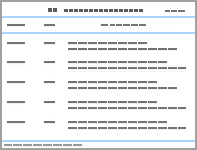
表1
从发病机制角度对肥胖症分型和分期评估体系核心特征表
| 分型 | 诊断方法 | 诊断标准 | 优点 | 缺点 |
|---|---|---|---|---|
| 病因 | 病因诊断 | 明确病因 | 肥胖症诊疗的第一步 | |
| 原发性 | ||||
| 继发性 | ||||
| 生理病理 | ||||
| 脑饥饿型 | 临床诊断 | 自由进食大于同性别人群进食量的第75个百分位数 | 利于精准识别肥胖症的生理病理因素,指导个体化治疗 | 难以精准确定 |
| 胃肠饥饿型 | 同位素标记法 | 胃排空时间小于同性别人群的第25个百分位数 | 可行性较差 | |
| 情绪饥饿型 | 量表 | 焦虑行为问卷评分大于人群第75个百分位数,或医院焦虑抑郁量表≥7分 | 量表客观性不足 | |
| 低代谢型 | 临床诊断 | 静息能量消耗小于人群的第25个百分位数 | 难以精准确定 | |
表2
基于体型特征的肥胖症分型表
| 指标 | 肥胖诊断标准 | 临床应用 | 优点 | 缺点 |
|---|---|---|---|---|
| BMI(kg/m2) | 轻度:28.0~32.5; 中度:32.5~37.5; 重度:37.5~50.0; 极重度:≥50.0 | 肥胖症诊断标准 | 操作简便 | 无法反映人体脂肪分布,风险预测局限性大 |
| 腰围(cm) | 男性≥90;女性≥85 | 中心性肥胖诊断标准 | 可反映人体脂肪分布,评估肥胖代谢风险 | 无法区分皮下和内脏脂肪,种族、年龄、性别差异大,难校身高影响 |
| 腰臀比 | 男性≥0.90;女性≥0.85 | 判断中心性肥胖 | 可反映人体脂肪分布,评估肥胖代谢风险 | 缺乏人群特异性切点 |
| 腰围身高比 | ≥0.5 | 判断中心性肥胖,预测心血管事件风险 | 较准确反映内脏脂肪分布、提升代谢病风险预测能力 | 缺乏人群特异性切点 |
| 身体圆度指数 | 低BRI组:<3.44; 中BRI组:3.44~4.65; 高BRI组:>4.65 | 估算内脏肥胖 | 较BMI更适合评估内脏肥胖 | 无法直接反映代谢健康 |
| 体脂比(%) | 成年男性≥25%,女性≥30% | 反映体内脂肪含量 | 测量精确,利于评估能代谢风险 | 尚不能全面反映体内脂肪组织的分布,缺乏人群特异性切点,检测成本高 |
| 代谢异常 | 代谢健康肥胖:BMI肥胖,代谢指标正常; 代谢不健康肥胖:BMI肥胖,存在至少2项代谢异常 | 识别高风险肥胖人群 | 综合判断代谢风险,指导治疗 | 尚无法评价代谢健康肥胖的风险 |
表3
多维度肥胖症分型分期评估表
| 指标 | 具体分期 | 优点 | 缺点 |
|---|---|---|---|
| 亚临床肥胖和临床肥胖 | 亚临床肥胖 临床肥胖:肥胖致器官/组织功能下降;或经年龄调整的日常活动严重受限,两者需满足其一 | 二分法临床便于操作、实用性强。 | 根据该标准确诊的肥胖与通过BMI诊断人群在治疗中是否能得到相同获益,尚未经验证 |
| ABCD | 0期:无ORCD 1期:存在轻至中度ORCD 2期:存在严重ORCD | 唯一纳入病因;直观反映肥胖并发症的种类和严重程度 | ORCD严重程度基于临床判断,结合查体、实验室检查及并发症评估,相对较复杂 |
| CMDS | 0期:代谢健康; 1期:存在一项或两项代谢综合征危险因素 2期:存在空腹血糖受损或葡萄糖耐量异常或代谢综合征 3期:存在3项中的2项[空腹血糖受损、糖耐量减低和(或)代谢综合征] 4期:2型糖尿病/心血管疾病 | 预测代谢综合征的心血管结局 | 纳入的肥胖合并疾病及并发症,相对其他分期系统少 |
| EOSS | 0期:无肥胖相关风险、症状、精神病理及功能健康损害 1期:肥胖相关亚临床风险,伴轻度躯体、心理症状及功能健康损害 2期:确诊肥胖相关慢病,日常活动及健康中度受限 3期:确诊靶器官损伤,伴显著精神病理、功能及健康损害 4期:肥胖相关慢病致严重(终末期)残疾、精神病理及功能福祉损害 | 关注肥胖症患者整体健康负担;可识别高死亡风险肥胖个体;用于预测代谢减重手术并发症及减重效果 | 含主观判断,易产生偏倚,影响分期准确性 |
| KOSC | 在12个健康领域中进行评定,每个领域中根据个人的健康情况评为0分(“正常健康”)、1分(“有风险”)、2分(“已确诊疾病”)或3分(“晚期疾病”) | 用于筛选减重手术适用人群,评估减重疗效 | 评估复杂,推广性不足 |
| [1] | World Obesity Federation. World Obesity Atlas 2025[EB/OL]. 2025. [2026-04-02] https://data.worldobesity.org/publications/?cat=23. |
| [2] |
GBD 2019 Risk Factors Collaborators. Global burden of 87 risk factors in 204 countries and territories, 1990-2019: a systematic analysis for the Global Burden of Disease Study 2019[J]. Lancet, 2020, 396(10258):1223-1249.
doi: 10.1016/S0140-6736(20)30752-2 URL |
| [3] | 国家卫生健康委办公厅. 肥胖症诊疗指南(2024年版)[EB/OL]. (2024-10-12).[2025-12-18]. https://www.gov.cn/zhengce/zhengceku/202410/content_6981734.htm. |
| General Office of the National Health Commission. Guidelines for diagnosis and treatment of obesity (2024 Edition)[EB/OL]. (2024-10-12).[2025-12-18]. https://www.gov.cn/zhengce/zhengceku/202410/content_6981734.htm. | |
| [4] | WHO Consultation on Obesity, World Health Organization, Division of Noncommunicable Diseases & World Health Organization. Obesity: preventing and managing the global epidemic: report of a WHO Consultation on Obesity[EB/OL]. (1997-06-03).[2025-12-18]. https://iris.who.int/handle/10665/63854. |
| [5] |
Rubino F, Cummings D E, Eckel R H, et al. Definition and diagnostic criteria of clinical obesity[J]. Lancet Diabetes Endocrinol, 2025, 13(3):221-262.
doi: 10.1016/S2213-8587(24)00316-4 URL |
| [6] | Medscape. Obesity type factors into weight loss success. Medscape[EB/OL]. 2020. [2026-04-02] https://www.medscape.com/viewarticle/925703#vp_1. |
| [7] |
Acosta A, Camilleri M, Abu Dayyeh B, et al. Selection of antiobesity medications based on phenotypes enhances weight loss: A pragmatic trial in an obesity clinic[J]. Obesity, 2021, 29(4):662-671.
doi: 10.1002/oby.23120 pmid: 33759389 |
| [8] |
Israeli H, Degtjarik O, Fierro F, et al. Structure reveals the activation mechanism of the MC4 receptor to initiate satiation signaling[J]. Science, 2021, 372(6544):808-814.
doi: 10.1126/science.abf7958 pmid: 33858992 |
| [9] | Yao Z, Tchang B G, Albert M, et al. Associations between class Ⅰ,Ⅱ, or Ⅲ obesity and health outcomes[J]. NEJM Evid, 2025, 4(4):EVIDoa2400229. |
| [10] |
Kivimäki M, Strandberg T, Pentti J, et al. Body-mass index and risk of obesity-related complex multimorbidity: An observational multicohort study[J]. Lancet Diabetes Endocrinol, 2022, 10(4):253-263.
doi: 10.1016/S2213-8587(22)00033-X URL |
| [11] |
Prillaman M. Why BMI is flawed: And how to redefine obesity[J]. Nature, 2023, 622(7982):232-233.
doi: 10.1038/d41586-023-03143-x |
| [12] |
Wang S, Shi S, Huang Y, et al. Severity of abdominal obesity and cardiometabolic diseases in US adults[J]. Public Health, 2024, 227:154-162.
doi: 10.1016/j.puhe.2023.12.010 pmid: 38232563 |
| [13] | 中华人民共和国卫生和计划生育委员会. 成人体重判定[S]. 2013. |
| National Health and Family Planning Commission of the People's Republic of China. Criteria of weight for adults[S]. 2013. | |
| [14] |
Conte M, Martucci M, Sandri M, et al. The dual role of the pervasive “fattish” tissue remodeling with age[J]. Front Endocrinol, 2019, 10:114.
doi: 10.3389/fendo.2019.00114 URL |
| [15] | World Health Organization. Waist circumference and waist-hip ratio: report of a WHO expert consultation, Geneva, 8-11 December 2008[R]. Geneva: World Health Organization, 2011:1. |
| [16] |
Feng Q, Bešević J, Conroy M, et al. Waist-to-height ratio and body fat percentage as risk factors for ischemic cardiovascular disease: a prospective cohort study from UK Biobank[J]. Am J Clin Nutr, 2024, 119(6):1386-1396.
doi: 10.1016/j.ajcnut.2024.03.018 pmid: 38839194 |
| [17] | 王卫庆, 万沁, 马建华, 等. 中国成人体重管理指南[J]. 中华内分泌代谢杂志, 2025, 41(11):891-907. |
| Wang Weiqing, Wan Qin, Ma Jianhua, et al. Guideline for adult weight management in China[J]. Chin J Endocrinol Metab, 2025, 41(11):891-907. | |
| [18] |
Busetto L, Dicker D, Frühbeck G, et al. A new framework for the diagnosis, staging and management of obesity in adults[J]. Nat Med, 2024, 30(9):2395-2399.
doi: 10.1038/s41591-024-03095-3 pmid: 38969880 |
| [19] |
Dicker D, Karpati T, Promislow S, et al. Implications of the European association for the study of obesity’s new framework definition of obesity: Prevalence and association with all-cause mortality[J]. Ann Intern Med, 2025, 178(8):1065-1072.
doi: 10.7326/ANNALS-24-02547 pmid: 40623308 |
| [20] |
Li H, Zhang J, Wang H, et al. Association between body roundness index and metabolic syndrome in middle-aged and older adults: A prospective cohort study in China[J]. Front Public Health, 2025, 13:1604593.
doi: 10.3389/fpubh.2025.1604593 URL |
| [21] |
Zhang X, Ma N, Lin Q, et al. Body roundness index and all-cause mortality among US adults[J]. JAMA Netw Open, 2024, 7(6):e2415051.
doi: 10.1001/jamanetworkopen.2024.15051 URL |
| [22] |
Donini LM, Busetto L, Bischoff SC, et al. Definition and diagnostic criteria for sarcopenic obesity: ESPEN and EASO consensus statement[J]. Obes Facts, 2022, 15(3):321-335.
doi: 10.1159/000521241 URL |
| [23] |
Preda A, Carbone F, Tirandi A, et al. Obesity phenotypes and cardiovascular risk: From pathophysiology to clinical management[J]. Rev Endocr Metab Disord, 2023, 24(5):901-919.
doi: 10.1007/s11154-023-09813-5 |
| [24] |
Schulze M B, Stefan N. Metabolically healthy obesity: From epidemiology and mechanisms to clinical implications[J]. Nat Rev Endocrinol, 2024, 20(11):633-646.
doi: 10.1038/s41574-024-01008-5 |
| [25] |
Lin Z, Feng W, Liu Y, et al. Machine learning to identify metabolic subtypes of obesity: A multi-center study[J]. Front Endocrinol, 2021, 12:713592.
doi: 10.3389/fendo.2021.713592 URL |
| [26] |
McGowan B, Ciudin A, Baker J L, et al. Framework for the pharmacological treatment of obesity and its complications from the European Association for the Study of Obesity (EASO)[J]. Nat Med, 2025, 31(10):3229-3232.
doi: 10.1038/s41591-025-03765-w |
| [27] |
Lian L Y, Liu C, Zhou X D, et al. Newly defined clinical obesity versus body mass index-defined obesity: Differential risks of overall death and adverse events in a population-based cohort[J]. Diabetes Obes Metab, 2026; 28(2):994-1003.
doi: 10.1111/dom.v28.2 URL |
| [28] |
Rubino F, Brown W A, Schauer P R, et al. From BMI to disease diagnosis: What clinical and pre-clinical obesity mean for surgeons[J]. Obes Surg, 2025, 35(11):4559-4564.
doi: 10.1007/s11695-025-08159-y |
| [29] |
Nadolsky K, Addison B, Agarwal M, et al. American association of clinical endocrinology consensus statement: Addressing stigma and bias in the diagnosis and management of patients with obesity/adiposity-based chronic di-sease and assessing bias and stigmatization as determinants of disease severity[J]. Endocr Pract, 2023, 29(6):417-427.
doi: 10.1016/j.eprac.2023.03.272 pmid: 37140524 |
| [30] |
Mechanick J I, Hurley D L, Garvey WT. Adiposity-based chronic disease as a new diagnostic term: The American association of clinical endocrinologists and American college of endocrinology position statement[J]. Endocr Pract, 2017, 23(3):372-378.
doi: 10.4158/EP161688.PS pmid: 27967229 |
| [31] |
Bowman-Busato J, Schreurs L, Halford J C G, et al. Providing a common language for obesity: The European Association for the Study of Obesity obesity taxonomy[J]. Int J Obes, 2025, 49(2):182-191.
doi: 10.1038/s41366-024-01565-9 |
| [32] |
Nadolsky K, Garvey W T, Agarwal M, et al. American association of clinical endocrinology consensus statement: Algorithm for the evaluation and treatment of adults with obesity/adiposity-based chronic disease-2025 update[J]. Endocr Pract, 2025, 31(11):1351-1394.
doi: 10.1016/j.eprac.2025.07.017 URL |
| [33] |
Guo F, Moellering D R, Garvey W T. The progression of cardiometabolic disease: Validation of a new cardiometabolic disease staging system applicable to obesity[J]. Obesity, 2014, 22(1):110-118.
doi: 10.1002/oby.20585 pmid: 23894121 |
| [34] |
Howell C R, Zhang L, Mehta T, et al. Cardiometabolic di-sease staging and major adverse cardiovascular event prediction in 2 prospective cohorts[J]. JACC Adv, 2024, 3(4):100868.
doi: 10.1016/j.jacadv.2024.100868 URL |
| [35] |
Sharma A M, Kushner R F. A proposed clinical staging system for obesity[J]. Int J Obes, 2009, 33(3):289-295.
doi: 10.1038/ijo.2009.2 |
| [36] |
Simunovic F, Bonaventura B, Schneider L, et al. The Edmonton obesity staging system predicts postoperative complications after abdominoplasty[J]. Ann Plast Surg, 2021, 87(5):556-561.
doi: 10.1097/SAP.0000000000002814 pmid: 34699434 |
| [37] | 杨冰莹, 罗樱樱, 纪立农. 埃德蒙顿肥胖分期系统在肥胖精准诊疗中的应用[J]. 中国糖尿病杂志, 2025, 33(2):148-155. |
| Yang Bingying, Luo Yingying, Ji Linong. The application of Edmonton obesity staging system in precise diagnosis and treatment of obesity[J]. Chin J Diabetes, 2025, 33(2):148-155. | |
| [38] |
Pajecki D, Dantas A C B, Santo M A, et al. Beyond the BMI: A critical analysis of the Edmonton obesity staging system and the new guidelines for indications for metabolic and bariatric surgery[J]. Obes Surg, 2023, 33(4):1276-1278.
doi: 10.1007/s11695-023-06516-3 pmid: 36805461 |
| [39] |
Kodsi R, Chimoriya R, Medveczky D, et al. Clinical use of the Edmonton obesity staging system for the assessment of weight management outcomes in people with class 3 obesity[J]. Nutrients, 2022, 14(5):967.
doi: 10.3390/nu14050967 URL |
| [40] | Canning K L, Brown R E, Wharton S, et al. Edmonton obesity staging system prevalence and association with weight loss in a publicly funded referral-based obesity clinic[J]. J Obes, 2015, 2015:619734. |
| [41] |
Ko T Y L, Miras A D, Pournaras D J, et al. BeyondBMI: Practical guide for clinicians to integrate the lancet commission’s obesity framework and King’s obesity staging system[J]. Clin Obes, 2026, 16:e70045.
doi: 10.1111/cob.v16.1 URL |
| [42] |
Dobbie L J, Coelho C, Crane J, et al. Clinical evaluation of patients living with obesity[J]. Intern Emerg Med, 2023, 18(5):1273-1285.
doi: 10.1007/s11739-023-03263-2 |
| [43] | 中国医师协会外科医师分会肥胖代谢外科综合管理及护理支持学组. 减重代谢手术后减重平台期管理专家共识(2025版)[J]. 中华消化外科杂志, 2025, 24(8):927-933. |
| Obesity Metabolic Surgery Comprehensive Management and Nursing Support Group, Chinese College of Surgeons. Expert consensus on weight loss plateau phase management after bariatric metabolic surgery (2025 edition)[J]. Chin J Dig Surg, 2025, 24(8):927-933. | |
| [44] | 朱江帆, 卢列盛. 减重代谢外科现状与挑战[J]. 中华消化外科杂志, 2025, 24(8):997-1001. |
| Zhu Jiangfan, Lu Liesheng. Current status and challenges in bariatric and metabolic surgery[J]. Chin J Dig Surg, 2025, 24(8):997-1001. | |
| [45] |
Yao Z, Dardari Z A, Razavi A C, et al. Prevalence of clinical obesity versus BMI-defined obesity among US adults: A cohort study[J]. Lancet Diabetes Endocrinol, 2025, 13(8):647-649.
doi: 10.1016/S2213-8587(25)00159-7 URL |
| [46] |
Petersen M C, Smith G I, Palacios H H, et al. Cardiometabolic characteristics of people with metabolically healthy and unhealthy obesity[J]. Cell Metab, 2024, 36(4):745-761.e5.
doi: 10.1016/j.cmet.2024.03.002 pmid: 38569471 |
| [47] |
Wu Y, Li D, Vermund S H. Advantages and limitations of the body mass index (BMI) to assess adult obesity[J]. Int J Environ Res Public Health, 2024, 21(6):757.
doi: 10.3390/ijerph21060757 URL |
| [48] |
Itani L, El Ghoch M. Waist-to-height ratio cut-off points for central obesity in individuals with overweight across different ethnic groups in NHANES 2011-2018[J]. Nutrients, 2024, 16(22):3838.
doi: 10.3390/nu16223838 URL |
| [49] | Kaisinger L R, Kentistou K A, Stankovic S, et al. Large-scale exome sequence analysis identifies sex- and age-specific determinants of obesity[J]. Cell Genom, 2023, 3(8):100362. |
| [50] | Jia X, Hu C, Xu Y, et al. Revisiting obesity thresholds for cardiovascular disease and mortality risk in Chinese adults: Age- and gender-specific insights[J]. Cell Rep Med, 2025, 6(9):102309. |
| [51] |
Wiebe N, Lloyd A, Crumley E T, et al. Associations between body mass index and all-cause mortality: A systematic review and meta-analysis[J]. Obes Rev, 2023, 24(10):e13588.
doi: 10.1111/obr.v24.10 URL |
| [52] |
Mainous AG III, Yin L, Wu V, et al. Body mass index vs body fat percentage as a predictor of mortality in adults aged 20-49 years[J]. Ann Fam Med, 2025, 23(4):337-343.
doi: 10.1370/afm.240330 pmid: 40555527 |
| [53] |
Kawai S, Yamakage H, Kotani K, et al. Differences in metabolic characteristics between metabolically healthy obesity (MHO) and metabolically unhealthy obesity (MUO) in weight reduction therapy[J]. Endocr J, 2023, 70(12):1175-1186.
doi: 10.1507/endocrj.EJ23-0189 pmid: 37793817 |
| [54] |
Agius R, Pace N P, Fava S. Phenotyping obesity: A focus on metabolically healthy obesity and metabolically unhealthy normal weight[J]. Diabetes Metabolism Res, 2024, 40(2):e3725.
doi: 10.1002/dmrr.v40.2 URL |
| [55] |
Chami N, Wang Z, Svenstrup V, et al. Genetic subtyping of obesity reveals biological insights into the uncoupling of adiposity from its cardiometabolic comorbidities[J]. Nat Med, 2025, 31(11):3801-3812.
doi: 10.1038/s41591-025-03931-0 |
| [56] |
Bettini S, Quinto G, Neunhaeuserer D, et al. Edmonton obesity staging system: an improvement by cardiopulmonary exercise testing[J]. Int J Obes (Lond), 2021, 45(9):1949-1957.
doi: 10.1038/s41366-021-00856-9 |
| [57] |
Abraham A, Yaghootkar H. Identifying obesity subtypes: A review of studies utilising clinical biomarkers and genetic data[J]. Diabet Med, 2023, 40(12):e15226.
doi: 10.1111/dme.v40.12 URL |
| [58] |
Wang M, Xu K, Yang J, et al. Normal-weight obesity subtypes and 10-year risks of major vascular diseases in 0.3 million adults[J]. Clin Nutr, 2025, 45:36-42.
doi: 10.1016/j.clnu.2024.12.027 pmid: 39740297 |
| [59] | 李一君, 谷伟军, 母义明. 我国肥胖症及其并发症评估的挑战与机遇--基于大样本流行病学研究的思考[J]. 中华内科杂志, 2023, 62(12):1391-1393. |
|
Li Yijun, Gu Weijun, Mu Yiming. Challenges and opportunities for assessing obesity and the complications in China: reflections on large-sample epidemiological investigation[J]. Chin J Intern Med, 2023, 62(12):1391-1393.
doi: 10.3760/cma.j.cn112138-20231013-00208 pmid: 38044064 |
|
| [60] | 郑珊珊, 赵娜, 马建. 基于肠道激素治疗肥胖和2型糖尿病的研究进展[J]. 中国临床研究, 2025, 38(2):299-303. |
| Zheng Shanshan, Zhao Na, Ma Jian. Advances in the treatment of obesity and type 2 diabetes based on intestinal hormones[J]. Chin Clin Res, 2025, 38(2):299-303. | |
| [61] | 中华医学会内分泌学分会. 肥胖患者的长期体重管理及药物临床应用指南(2024版)[J]. 中华内分泌代谢杂志, 2024, 40(7):545-564. |
| Chinese Society of Endocrinology. Guideline for chronic weight management and clinical practice of anti-obesity medications(2024 version)[J]. Chin J Endocrinol Metab, 2024, 40(7):545-564. | |
| [62] |
Heymsfield S B, Wadden T A. Mechanisms, pathophysio-logy, and management of obesity[J]. N Engl J Med, 2017, 376(3):254-266.
doi: 10.1056/NEJMra1514009 URL |
| [63] | 中华中医药学会《中医体重管理临床指南》专家组, 广东省针灸学会肥胖专病联盟. 肥胖症中医诊疗方案专家共识[J]. 北京中医药大学学报, 2022, 45(8):786-794. |
| Panel of Clinical Guideline for Body Weight Management in TCM of China Association of Chinese Medicine, Obesity League of Guangdong Association of Acupuncture-Moxibustion. Expert consensus on diagnosis and treatment of obesity in TCM[J]. J Beijing Univ Tradit Chin Med, 2022, 45(8):786-794. | |
| [64] | 谢汉兴, 唐霁, 莫灿婷, 等. 针灸治疗单纯性肥胖的研究状况及前景[J]. 辽宁中医杂志, 2021, 48(1):217-220. |
| Xie Hanxing, Tang Ji, Mo Canting, et al. Research status and prospect on treatment of simple obesity with acupuncture[J]. Liaoning J Tradit Chin Med, 2021, 48(1):217-220. |
| [1] | 方萍, 韩峻峰. 肥胖症的诊断、治疗困境及对策[J]. 诊断学理论与实践, 2025, 24(01): 21-26. |
| [2] | 叶雅芬, 杨颖, 韩峻峰. 脂肪组织衰老的细胞学改变及其分子机制研究进展[J]. 诊断学理论与实践, 2022, 21(05): 650-654. |
| [3] | 邓莉, 宋丹, 张燕, 刘勋,. 肥胖症相关基因rs9939609单核苷酸多态性和肥胖在多囊卵巢综合征中交互作用的研究[J]. 诊断学理论与实践, 2016, 15(03): 308-311. |
| [4] | 陈名道. 肥胖与胰岛素抵抗的评估[J]. 诊断学理论与实践, 2003, 2(02): 13-14. |
| 阅读次数 | ||||||
|
全文 |
|
|||||
|
摘要 |
|
|||||
