

Journal of Diagnostics Concepts & Practice ›› 2026, Vol. 25 ›› Issue (04): 457-466.doi: 10.16150/j.1671-2870.2026.04.009
• Original articles • Previous Articles Next Articles
LIU Jingjing1, WEI Pingzhu2, LUO Cheng3, YU Xuchao4, WANG Hongchao5, WU Tianyi1( )
Received:2025-12-02
Revised:2026-02-17
Accepted:2026-06-03
Online:2026-08-25
Published:2026-08-31
Contact:
WU Tianyi
E-mail:w18917487413@163.com
CLC Number:
LIU Jingjing, WEI Pingzhu, LUO Cheng, YU Xuchao, WANG Hongchao, WU Tianyi. Development and verification of risk prediction model for postoperative delirium after radical surgery in elderly patients with pancreatic cancer[J]. Journal of Diagnostics Concepts & Practice, 2026, 25(04): 457-466.
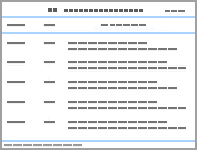
Table 1
Univariate analysis results of postoperative delirium risk factors in 202 elderly patients with pancreatic cancer undergoing radical surgery [$\stackrel{-}{x}\pm s$,n(%)]
| Variable | Delirium state | Statistic value | P value | |
|---|---|---|---|---|
| Delirium group (n=21) | Non-delirium group (n=181) | |||
| Age (years) | 73.33±6.50 | 68.43±6.10 | t=-3.469 | <0.001 |
| APACHE-Ⅱ score | 6.67±1.77 | 5.51±1.95 | t=-2.598 | 0.010 |
| Gender | χ2=2.662 | 0.158 | ||
| Male | 9 (42.9%) | 111 (61.3%) | ||
| Female | 12 (57.1%) | 70 (38.7%) | ||
| Body mass indes | χ²=0.110 | 0.946 | ||
| Underweight | 1 (4.8%) | 8 (4.4%) | ||
| Normal | 13 (61.9%) | 106 (58.6%) | ||
| Overweight & Obese | 7 (33.3%) | 67 (37.0%) | ||
| Education level | χ²=0.822 | 0.663 | ||
| Primary school or below (including illiterate) | 5 (23.8%) | 37 (20.4%) | ||
| Middle school to high school (including vocational) | 14 (66.7%) | 113 (62.4%) | ||
| College or above (including associate degree) | 2 (9.5%) | 31 (17.1%) | ||
| Nutritional risk None Present | 17 (81.0%) 4 (19.0%) | 120 (66.3%) 61 (33.7%) | χ²=1.852 | 0.174 |
| Smoking None Present | 20 (95.2%) 1 (4.8%) | 145 (80.1%) 36 (19.9%) | χ²=2.878 | 0.090 |
| Alcohol abuse None Present | 17 (81.0%) 4 (19.0%) | 151 (83.4%) 30 (16.6%) | χ²=0.082 | 0.774 |
| Cognitive disorder risk None Present | 16 (76.2%) 5 (23.8%) | 163 (90.1%) 18 (9.9%) | χ²=3.585 | 0.058 |
| Hypertension None Present | 12 (57.1%) 9 (42.9%) | 87 (48.1%) 94 (51.9%) | χ²=0.620 | 0.431 |
| Diabetes None Present | 8 (38.1%) 13 (61.9%) | 121 (66.9%) 60 (33.1%) | χ²=6.742 | 0.009 |
| Cardiac disease None Present | 19 (90.5%) 2 (9.5%) | 163 (90.1%) 18 (9.9%) | χ²=0.004 | 0.951 |
| Visual impairment None Present | 13 (61.9%) 8 (38.1%) | 126 (69.6%) 55 (30.4%) | χ²=0.521 | 0.470 |
| Hearing impairment None Present | 18 (85.7%) 3 (14.3%) | 162 (89.5%) 19 (10.5%) | χ²=0.278 | 0.598 |
| Preoperative sleep disorders None Present | 15 (71.4%) 6 (28.6%) | 170 (93.9%) 11 (6.1%) | χ²=12.353 | <0.001 |
| Total bilirubin Normal Abnormal | 13 (61.9%) 8 (38.1%) | 117 (64.6%) 64 (35.4%) | χ²=0.061 | 0.804 |
| Direct bilirubin Normal Abnormal | 13 (61.9%) 8 (38.1%) | 129 (71.3%) 52 (28.7%) | χ²=0.791 | 0.374 |
| Jaundice treatment None Present | 19 (90.5%) 2 (9.5%) | 153 (84.5%) 28 (15.5%) | χ²=0.526 | 0.468 |
| Preoperative days ≤3 days 3 to 7 days >7 days | 8 (38.1%) 10 (47.6%) 3 (14.3%) | 59 (32.6%) 83 (45.9%) 39 (21.5%) | χ²=0.661 | 0.718 |
| Surgical type Minimally invasive surgery Open surgery | 2 (9.5%) 19 (90.5%) | 39 (21.5%) 142 (78.5%) | χ²=1.681 | 0.195 |
| Surgical procedure Pancreaticoduodenectomy Distal pancreatectomy Other procedures | 9 (42.9%) 10 (47.6%) 2 (9.5%) | 109 (60.2%) 58 (32.0%) 14 (7.8%) | χ²=2.403 | 0.301 |
| Surgical time ≤3 hours 3 to 5 hours >5 hours | 4 (19.0%) 14 (66.7%) 3 (14.3%) | 51 (28.2%) 75 (41.4%) 55 (30.4%) | χ²=4.994 | 0.082 |
| Intraoperative blood loss (mL) | 476.19±316.08 | 290.55±223.80 | t=-3.432 | <0.001 |
| Intraoperative blood transfusion (mL) | 247.62±340.03 | 160.61±283.88 | t=-1.302 | 0.195 |
| Electrolyte disturbance None Present | 5 (23.8%) 16 (76.2%) | 82 (45.3%) 99 (54.7%) | χ²=3.546 | 0.060 |
| Postoperative sleep disorders None Present | 17 (81.0%) 4 (19.0%) | 158 (87.3%) 23 (12.7%) | χ²=0.653 | 0.419 |
| Infection None Present | 17 (81.0%) 4 (19.0%) | 149 (82.3%) 32 (17.7%) | χ²=0.024 | 0.877 |
| Pain management No pain medication combined Pain medication combined | 19 (90.5%) 2 (9.5%) | 155 (85.6%) 26 (14.4%) | χ²=0.369 | 0.543 |
| Postoperative environment General ward ICU | 7 (33.3%) 14 (66.7%) | 54 (29.8%) 127 (70.2%) | χ²=0.109 | 0.741 |
| Family support None Present | 15 (71.4%) 6 (28.6%) | 125 (69.1%) 56 (30.9%) | χ²= 0.050 | 0.824 |
Table 2
Logistic regression analysis results of postoperative delirium risk factors in pancreatic cancer patients undergoing radical surgery
| Variable | B | SE | Wald χ2 | P value | OR (95%CI) |
|---|---|---|---|---|---|
| Constant | -13.959 | 3.809 | 13.427 | <0.001 | <0.001(-) |
| Age | 0.106 | 0.048 | 4.802 | 0.028 | 1.111(1.011-1.221) |
| APACHE-Ⅱ score | 0.357 | 0.143 | 6.246 | 0.012 | 1.430(1.080-1.892) |
| Intraoperative blood loss | 0.003 | 0.001 | 10.036 | 0.002 | 1.003(1.001-1.005) |
| Diabetes | 1.306 | 0.564 | 5.358 | 0.021 | 3.690(1.222-11.147) |
| Preoperative sleep disorders | 1.785 | 0.694 | 6.605 | 0.010 | 5.957(1.527-23.231) |

Figure 1
ROC curve for predicting POD

Table 3
Concordance analysis between model prediction results and actual clinical outcomes
| Actual clinical outcomes | Model prediction results | Total | |
|---|---|---|---|
| Non-delirium group | Delirium group | ||
| Non-delirium group | 86 | 5 | 91 |
| Delirium group | 4 | 6 | 10 |
| Total | 90 | 11 | 101 |
Table 4
Risk Stratification of POD in Pancreatic Cancer Patients Undergoing Radical Surgery Based on the Prediction Model
| Risk level | Low (Pr≤4.3%) | Medium (4.3%<Pr≤13.3%) | High (Pr>13.3%) | Statistical value | P value |
|---|---|---|---|---|---|
| Delirium group | 0 | 1 | 9 | ||
| Non-delirium group | 45 | 26 | 20 | ||
| Delirium incidence (%) | 0 | 3.7 | 31.03 | χ²=20.627 | <0.001 |
| [1] |
Tao H, Qin X S, Liang Z, et al. Systematic review and meta-analysis of Mendelian randomization in delirium studies: Key findings and methodological issues[J]. J Affect Disord, 2026, 393:120296.
doi: 10.1016/j.jad.2025.120296 URL |
| [2] |
Tu Y, Zhu H, Zhang X, et al. Machine learning-based prediction models for postoperative delirium: A systema-tic review and Meta-Analysis[J]. BMC Psychiatry, 2025, 25(1):940.
doi: 10.1186/s12888-025-07401-2 |
| [3] |
Beerens S, van Steenkiste L, Egerod I, et al. Expert consensus on research priorities for the prevention of delirium in adult ICU patients[J]. Intensive Crit Care Nurs, 2025, 91:104124.
doi: 10.1016/j.iccn.2025.104124 URL |
| [4] |
Zhao B, Ji H S, Xu C Y, et al. Incidence and risk factors of postoperative delirium after pancreatic cancer surgery: A retrospective study[J]. Surg Today, 2023, 53(6):736-742.
doi: 10.1007/s00595-022-02614-4 |
| [5] |
Thedim M, Vacas S. Postoperative delirium and the older adult: Untangling the confusion[J]. J Neurosurg Anesthesiol, 2024, 36(3):184-189.
doi: 10.1097/ANA.0000000000000971 URL |
| [6] |
Daiello L A, Racine A M, Yun Gou R, et al. Postoperative delirium and postoperative cognitive dysfunction: Overlap and divergence[J]. Anesthesiology, 2019, 131(3):477-491.
doi: 10.1097/ALN.0000000000002729 pmid: 31166241 |
| [7] | Li W, Shi Q, Bai R, et al. Advances in research on the pathogenesis and signaling pathways associated with postoperative delirium (Review)[J]. Mol Med Rep, 2025, 32(2):1-21. |
| [8] | 孔骞. 老年腹部手术患者术后谵妄的危险因素分析及预测模型的构建[D]. 湖州师范学院, 2020. |
| Kong Qian. Analysis of risk factors of postoperative delirium in elderly patients undergoing abdominal surgery and construction of predictive model[D]. Huzhou University, 2020. | |
| [9] | 陈璐, 谢新芳, 孔骞, 等. 老年上腹部手术患者术后谵妄风险预测模型的构建及验证[J]. 解放军护理杂志, 2022, 39(6):5-8. |
| Chen Lu, Xie Xinfang, Kong Qian, et al. Development and verification of a risk prediction model for postoperative delirium in elderly patients undergoing upper abdominal surgery[J]. Nurs J Chin PLA, 2022, 39(6):5-8. | |
| [10] |
Pate A, Riley R D, Collins G S, et al. Minimum sample size for developing a multivariable prediction model using multinomial logistic regression[J]. Stat Methods Med Res, 2023, 32(3):555-571.
doi: 10.1177/09622802231151220 URL |
| [11] | 刘文娟, 刘丹, 何敏, 等. 库欣病术后静脉血栓栓塞症的危险因素分析及风险评估模型的建立[J]. 中华内分泌代谢杂志, 2024, 40(6):487-493. |
| Liu Wenjuan, Liu Dan, He Min, et al. Risk factors and development of a risk assessment model for postoperative venous thromboembolism in Cushing′s disease[J]. Chin J Endocrinol Metab, 2024, 40(6):487-493. | |
| [12] | 邓猛, 刘习梅, 王袁, 等. 右美托咪定在老年患者术后谵妄中的研究进展[J]. 中国临床研究, 2025, 38(6):822-826. |
| Deng Meng, Liu Ximei, Wang Yuan, et al. Progress of dexmedetomidine in preventing postoperative delirium in elderly patients[J]. Chin J Clin Res, 2025, 38(6):822-826. | |
| [13] | 周达磊, 尤兰英, 徐进, 等. 右美托咪啶与环泊酚术中镇静对老年患者非全麻四肢骨折术后谵妄的影响[J]. 中国临床研究, 2025, 38(10):1514-1519. |
| Zhou Dalei, You Lanying, Xu Jin, et al. Effects of intrao-perative sedation with dexmedetomidine and ciprofol on postoperative delirium in elderly patients undergoing non-general anesthesia for limb fracture surgery[J]. Chin J Clin Res, 2025, 38(10):1514-1519. | |
| [14] | 李佳, 赵墨菊, 杨惠茹, 等. 腹腔镜下子宫切除术患者麻醉苏醒期谵妄发生现状及其相关因素分析[J]. 中华全科医学, 2025, 23(12):2073-2075,2173. |
| Li Jia, Zhao Moju, Yang Huiru, et al. The occurrence and related factors of delirium in patients undergoing laparoscopic hysterectomy during the anesthesia recovery period[J]. Chin J Gen Pract, 2025, 23(12):2073-2075,2173. | |
| [15] | 汪海钢, 李艳玲, 李跃兵, 等. 神经炎症相关因子在老年脊柱骨折患者术后谵妄发生预测中的价值及预测模型构建[J]. 中华全科医学, 2025, 23(10):1667-1671. |
| Wang Haigang, Li Yanling, Li Yuebing, et al. The value of neuroinflammation-related factors in predicting the occurrence of postoperative delirium in elderly patients with spinal fractures and the construction of predictive models[J]. Chin J Gen Pract, 2025, 23(10):1667-1671. | |
| [16] |
Panayi A C, Friedrich S, Rühl J, et al. Delirium after surgery: A retrospective study of predictors, complications, and screening patterns in the national surgical quality improvement program[J]. eClinicalMedicine, 2025, 90:103629.
doi: 10.1016/j.eclinm.2025.103629 URL |
| [17] |
Avelino-Silva T J, Santos Bittencourt J A Jr, Miguel C G, et al. The Confusion Assessment Method in action: Implementation of a protocol to increase delirium screening and diagnosis[J]. Geriatr Nurs, 2023, 54:32-36.
doi: 10.1016/j.gerinurse.2023.08.019 pmid: 37703687 |
| [18] |
Lin C J, Su I C, Huang S W, et al. Delirium assessment tools among hospitalized older adults: A systematic review and metaanalysis of diagnostic accuracy[J]. Ageing Res Rev, 2023, 90:102025.
doi: 10.1016/j.arr.2023.102025 URL |
| [19] |
Soares M R, Mahanna Gabrielli E, Manjarrez E C. The geriatric patient[J]. Med Clin N Am, 2024, 108(6):1101-1117.
doi: 10.1016/j.mcna.2024.06.001 URL |
| [20] |
Suraarunsumrit P, Srinonprasert V, Kongmalai T, et al. Outcomes associated with postoperative cognitive dysfunction: A systematic review and meta-analysis[J]. Age Ageing, 2024, 53(7):afae160.
doi: 10.1093/ageing/afae160 URL |
| [21] |
Janssen T L, Steyerberg E W, Faes M C, et al. Risk factors for postoperative delirium after elective major abdominal surgery in elderly patients: A cohort study[J]. Int J Surg, 2019, 71:29-35.
doi: S1743-9191(19)30240-7 pmid: 31526896 |
| [22] |
Gallagher T K, McErlean S, O’Farrell A, et al. Incidence and risk factors of delirium in patients post pancreaticoduodenectomy[J]. Hpb, 2014, 16(9):864-869.
doi: 10.1111/hpb.12266 pmid: 24750484 |
| [23] |
Ito Y, Abe Y, Kan H, et al. Postoperative delirium in patients after pancreaticoduodenectomy[J]. Dig Surg, 2016, 34(1):78-85.
doi: 10.1159/000446928 URL |
| [24] |
Mizuno S, Takeuchi S, Kishiwada M, et al. Incidence and risk factors of postoperative delirium following pancreatic surgery: Does the administration of TJ-54 reduce the incidence of delirium[J]. Dig Surg, 2017, 35(1):1-10.
doi: 10.1159/000456627 URL |
| [25] |
Liu J, Li J, He J, et al. The Age-adjusted Charlson Comorbidity Index predicts post-operative delirium in the elderly following thoracic and abdominal surgery: A prospective observational cohort study[J]. Front Aging Neurosci, 2022, 14:979119.
doi: 10.3389/fnagi.2022.979119 URL |
| [26] |
French J, Weber T, Ge B, et al. Postoperative delirium in patients after brain tumor surgery[J]. World Neurosurg, 2021, 155:e472-e479.
doi: 10.1016/j.wneu.2021.08.089 pmid: 34455093 |
| [27] | 吴晓彬, 邱灿金, 刘孝国, 等. 脊柱手术患者术后谵妄的危险因素分析[J]. 临床麻醉学杂志, 2022, 38(9):920-925. |
| Wu Xiaobin, Qiu Canjin, Liu Xiaoguo, et al. Risk factors of postoperative delirium in patients undergoing spinal surgery[J]. J Clin Anesthesiol, 2022, 38(9):920-925. | |
| [28] |
Brattinga B, Plas M, Spikman J M, et al. The association between the inflammatory response following surgery and post-operative delirium in older oncological patients: A prospective cohort study[J]. Age Ageing, 2022, 51(2):afab237.
doi: 10.1093/ageing/afab237 URL |
| [29] |
Wang T, Huang X, Sun S, et al. Recent advances in the mechanisms of postoperative neurocognitive dysfunction: A narrative review[J]. Biomedicines, 2025, 13(1):115.
doi: 10.3390/biomedicines13010115 URL |
| [30] |
Gravante F, Iovino P, Trotta F, et al. Predictors of post-intensive care syndrome in ICU survivors after discharge: An observational study[J]. J Clin Med, 2025, 14(17):6043.
doi: 10.3390/jcm14176043 URL |
| [31] | 张小双, 张阿芳, 涂倩倩, 等. SII/ALB联合CRP对急性胰腺炎严重程度评估价值的研究[J]. 安徽医学, 2025, 46(6):696-701. |
| Zhang Xiaoshuang, Zhang Afang, Tu Qianqian, et al. The clinical value of SII/ALB combined with CRP in predic-ting severity in patients with acute pancreatitis[J]. Anhui Med J, 2025, 46(6):696-701. | |
| [32] | 谢本钱, 张丽琴. 个体化预测急性呼吸衰竭患者在院死亡风险Nomogram模型的建立与验证[J]. 安徽医学, 2025, 46(8):971-979. |
| Xie Benqian, Zhang Liqin. Development and validation of a Nomogram model for individualized prediction of in-hospital mortality risk in patients with acute respiratory failure[J]. Anhui Med J, 2025, 46(8):971-979. | |
| [33] |
Cheng J, Lao Y, Chen X, et al. Dynamic nomogram for subsyndromal delirium in adult intensive care unit: A prospective cohort study[J]. Neuropsychiatr Dis Treat, 2023, 19:2535-2548.
doi: 10.2147/NDT.S432776 URL |
| [34] | 陈广野, 李少华. 后壁加固缝合改良胰肠吻合对行胰十二指肠切除术治疗的胰腺癌患者术中出血量及术后恢复进程的影响[J]. 山东第二医科大学学报, 2024, 46(6):440-443. |
| Chen Guangye, Li Shaohua. Effect of retro-wall reinforcement sutured modified pancreatic enterostomy on intraope-rative blood loss and postoperative recovery in pancreatic cancer patients undergoing pancreaticoduodenectomy[J]. J Shandong Second Med Sch, 2024, 46(6):440-443. | |
| [35] | 袁静雅, 修典荣. 胰腺体尾部导管腺癌生存预后的影响因素分析[J]. 中国微创外科杂志, 2023, 23(3):161-166. |
| Yuan Jingya, Xiu Dianrong. Analysis of prognostic factors in patients with pancreatic ductal adenocarcinoma of the body and tail[J]. Chin J Min Inv Surg, 2023, 23(3):161-166. | |
| [36] |
Mevorach L, Forookhi A, Farcomeni A, et al. Perioperative risk factors associated with increased incidence of postoperative delirium: Systematic review, meta-analysis, and grading of recommendations assessment, development, and evaluation system report of clinical literature[J]. Br J Anaesth, 2023, 130(2):e254-e262.
doi: 10.1016/j.bja.2022.05.032 URL |
| [37] | Deng Y, Zhang T, Xie H, et al. Perioperative blood loss is a risk factor for postoperative delirium in geriatric hip fracture patients: a retrospective study[J]. Front Med (Lausanne), 2025, 12:1617891. |
| [38] |
Zhang H J, Ma X H, Ye J B, et al. Systematic review and meta-analysis of risk factor for postoperative delirium following spinal surgery[J]. J Orthop Surg Res, 2020, 15(1):509.
doi: 10.1186/s13018-020-02035-4 pmid: 33153465 |
| [39] |
Kunz J V, Spies C D, Bichmann A, et al. Postoperative anaemia might be a risk factor for postoperative delirium and prolonged hospital stay: A secondary analysis of a prospective cohort study[J]. PLoS One, 2020, 15(2):e0229325.
doi: 10.1371/journal.pone.0229325 URL |
| [40] | 陆子鹏, 井上阳介, 蒋奎荣. 胰腺癌动脉周围清扫技术[J]. 中华消化外科杂志, 2025, 24(5):574-578. |
| Lu Zipeng, Inoue Yosuke, Jiang Kuirong. Peri-arterial dissection techniques for pancreatic cancer[J]. Chin J Dig Surg, 2025, 24(5):574-578. | |
| [41] |
Biessels G J, Despa F. Cognitive decline and dementia in diabetes mellitus: Mechanisms and clinical implications[J]. Nat Rev Endocrinol, 2018, 14(10):591-604.
doi: 10.1038/s41574-018-0048-7 pmid: 30022099 |
| [42] |
Shpakov A O, Zorina I I, Derkach K V. Hot spots for the use of intranasal insulin: Cerebral ischemia, brain injury, diabetes mellitus, endocrine disorders and postoperative delirium[J]. Int J Mol Sci, 2023, 24(4):3278.
doi: 10.3390/ijms24043278 URL |
| [43] | 张太平, 叶力源, 王苑阳. 胰腺癌精准治疗的发展与实践[J]. 中华消化外科杂志, 2025, 24(5):567-573. |
| Zhang Taiping, Ye Liyuan, Wang Yuanyang. Development and practice of precise treatment of pancreatic cancer[J]. Chin J Dig Surg, 2025, 24(5):567-573. | |
| [44] | 吕颖奇, 朱转转, 王丽, 等. 胰腺外分泌糖尿病的危险因素与发病机制研究进展[J]. 中华内分泌代谢杂志, 2025, 41(2):164-167. |
| Lu Yingqi, Zhu Zhuanzhuan, Wang Li, et al. Progress on the risk factors and pathogenesis of diabetes of the exocrine pancreas[J]. Chin J Endocrinol Metab, 2025, 41(2):164-167. | |
| [45] |
Chen H, Mo L, Hu H, et al. Risk factors of postoperative delirium after cardiac surgery: A meta-analysis[J]. J Cardiothorac Surg, 2021, 16(1):113.
doi: 10.1186/s13019-021-01496-w pmid: 33902644 |
| [46] |
Komici K, Fantini C, Santulli G, et al. The role of diabetes mellitus on delirium onset: A systematic review and meta-analysis[J]. Cardiovasc Diabetol, 2025, 24(1):216.
doi: 10.1186/s12933-025-02782-w |
| [47] | 周蓉, 刘玥, 马正良. 术前睡眠障碍在老年术后谵妄中的作用研究进展[J]. 国际麻醉学与复苏杂志, 2022, 43(1):63-66. |
| Zhou Rong, Liu Yue, Ma Zhengliang. Research advances on the relationship between postoperative delirium and preoperative sleep disorder in elderly patients[J]. Int J Anesth Resus, 2022, 43(1):63-66. | |
| [48] | 王元龙, 李燕玲, 化树慧, 等. 老年患者术前睡眠质量与术后谵妄的关系[J]. 中华麻醉学杂志, 2024, 44(11):1287-1292. |
| Wang Yuanlong, Li Yanling, Hua Shuhui, et al. Relationship between preoperative sleep quality and postoperative delirium in elderly patients[J]. Chin J Anesthesiol, 2024, 44(11):1287-1292. | |
| [49] |
中华护理学会外科护理专业委员会, 重庆医科大学附属第一医院护理部/神经外科/血管外科/重症医学科, 华中科技大学同济医学院附属同济医院护理部, 等. 成人术后谵妄预防与护理专家共识[J]. 中华急危重症护理杂志, 2025, 6(7):837-842.
doi: 10.3761/j.issn.2096-7446.2025.07.011 |
| Expert consensus on the prevention and nursing of posto-perative delirium in adults/Surgical Nursing Professional Committee of Chinese Nursing Association; Nursing Department/Neurosurgery/Vascular Surgery/Critical Care Medicine, The First Affiliated Hospital of Chongqing Medical University; Department of Nursing, Tongi Hospital, Tongji Medical College, Huazhong University of Science and Technology, et al. Expert consensus on the prevention and nursing of postoperative delirium in adults[J]. Chin J Emerg Crit Care Nurs, 2025, 6(7):837-842. | |
| [50] |
Guo J, Guo X, Liu W, et al. Post-operative delirium in different age groups and subtypes: A systematic review of case reports[J]. Front Neurol, 2024, 15:1465681.
doi: 10.3389/fneur.2024.1465681 URL |
| [1] | ZHANG Jingyi, LIU Xu, YUE Wuriliga, WANG Mengcan, CAI Wenlin, HU Ke. Analysis of clinical characteristics of adult patients with empyema caused by Streptococcus infection [J]. Journal of Diagnostics Concepts & Practice, 2026, 25(04): 442-449. |
| [2] | QIN Huihong, YU Fangyuan, JIANG Jie, ZHANG Tiandong, PAN Fen. Risk factors for occurrence and poor prognosis of neonatal candidemia [J]. Journal of Diagnostics Concepts & Practice, 2026, 25(03): 321-326. |
| [3] | TAO Yi, MI Jianqing. Interpretation of 2026 update of Clinical Practice Guidelines in Oncology: Multiple Myeloma (Version 3) of National Comprehensive Cancer Network [J]. Journal of Diagnostics Concepts & Practice, 2026, 25(01): 30-36. |
| [4] | GAO Yihui, ZHANG Huiping, ZHOU Yuqing. Analysis of ultrasonic two-step assessment of postpartum diastasis recti abdominis and related risk factors in parturients at 42-day postpartum [J]. Journal of Diagnostics Concepts & Practice, 2025, 24(06): 641-647. |
| [5] | TANG Chunhua, GUO Lu, ZHANG Lili. Interpretation of global stroke report data in 2025: gradient evolution and precise management of stroke burden [J]. Journal of Diagnostics Concepts & Practice, 2025, 24(05): 485-497. |
| [6] | LEICHAO Wenwei, RAO Jialing, ZHOU Mengxue, YANG Hong. Advances in research on risk factors and associated diseases of intrapancreatic fat deposition [J]. Journal of Diagnostics Concepts & Practice, 2025, 24(01): 72-79. |
| [7] | SHAO Xinlin, ZHU Xuemei, CAO Hua. Advances in research on the risk factors and pathogenesis of connective tissue disease-associated interstitial lung disease [J]. Journal of Diagnostics Concepts & Practice, 2024, 23(02): 202-209. |
| [8] | LI Lei, WU Xi, DAI Jing, WU Wenman, DING Qiulan, WANG Xuefeng. Clinical characteristics and risk factor analysis of 118 patients with cerebral venous sinus thrombosis [J]. Journal of Diagnostics Concepts & Practice, 2023, 22(03): 261-269. |
| [9] | YANG Ruixin, DU Yutong, YAN Ranlin, ZHU Zhenggang, LI Chen, YU Yingyan. Improving exploration of biological sample pretreatment in single-cell transcriptome sequencing of gastrointestinal tumors [J]. Journal of Diagnostics Concepts & Practice, 2022, 21(05): 567-574. |
| [10] | DING Yanfei, XIN Xiaorong, ZHOU Yufen, XIE Ling, GU Leilei, WU Yunlin, CHEN Ping. Analysis of risk factors for delayed healing of peptic ulcer in patients with upper gastrointestinal bleeding [J]. Journal of Diagnostics Concepts & Practice, 2022, 21(03): 312-316. |
| [11] | LIANG Yali, ZHAO Haigang, XIANG Guangyu. The stress-induced hyperglycemia ratio in the prognosis prediction of patients with acute ischemic stroke one year after thrombolytic therapy [J]. Journal of Diagnostics Concepts & Practice, 2021, 20(06): 562-566. |
| [12] | LIN Yuxuan, ZHAO Yanhua, WANG Xiaojing. Risk factors for hypoxia during performing gastroscopy with propofol sedation [J]. Journal of Diagnostics Concepts & Practice, 2020, 19(06): 594-599. |
| [13] | WEI Xiaomin, ZHANG Yuanyuan, DONG Liang, XIA Jingwen, GONG Yi, YU Yongping, LI Shengqing. A prospective study on incidence of chronic thromboembolic pulmonary hypertension after pulmonary thromboembolism [J]. Journal of Diagnostics Concepts & Practice, 2019, 18(1): 37-43. |
| [14] | ZHANG Shi, HE Huijing, WAN Guobin. Analysis of Gesell Developmental Schedules test in 200 late premature infants [J]. Journal of Diagnostics Concepts & Practice, 2017, 16(02): 217-220. |
| [15] | . [J]. Journal of Diagnostics Concepts & Practice, 2016, 15(04): 364-370. |
| Viewed | ||||||
|
Full text |
|
|||||
|
Abstract |
|
|||||
