

Journal of Diagnostics Concepts & Practice ›› 2026, Vol. 25 ›› Issue (04): 483-491.doi: 10.16150/j.1671-2870.2026.04.012
• Review articles • Previous Articles Next Articles
LIAO Shiyu1, TANG Shanshan1,2, LIU Chenran1, JIANG Linlin1, LIAN Fengmei1, JI Hangyu1( )
Received:2025-12-18
Revised:2026-04-02
Accepted:2026-04-08
Online:2026-08-25
Published:2026-08-31
Contact:
JI Hangyu
E-mail:jihangyuecho@163.com
CLC Number:
LIAO Shiyu, TANG Shanshan, LIU Chenran, JIANG Linlin, LIAN Fengmei, JI Hangyu. Research progress and clinical significance of obesity classification and staging[J]. Journal of Diagnostics Concepts & Practice, 2026, 25(04): 483-491.

Figure 1
Classification and staging of adults obestiy

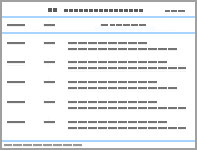
Table 1
Core characteristics of the classification and staging assessment system for obesity from a pathophysiological perspective
| 分型 | 诊断方法 | 诊断标准 | 优点 | 缺点 |
|---|---|---|---|---|
| 病因 | 病因诊断 | 明确病因 | 肥胖症诊疗的第一步 | |
| 原发性 | ||||
| 继发性 | ||||
| 生理病理 | ||||
| 脑饥饿型 | 临床诊断 | 自由进食大于同性别人群进食量的第75个百分位数 | 利于精准识别肥胖症的生理病理因素,指导个体化治疗 | 难以精准确定 |
| 胃肠饥饿型 | 同位素标记法 | 胃排空时间小于同性别人群的第25个百分位数 | 可行性较差 | |
| 情绪饥饿型 | 量表 | 焦虑行为问卷评分大于人群第75个百分位数,或医院焦虑抑郁量表≥7分 | 量表客观性不足 | |
| 低代谢型 | 临床诊断 | 静息能量消耗小于人群的第25个百分位数 | 难以精准确定 | |
Table 2
Classification table of obesity based on somatotype characteristics
| 指标 | 肥胖诊断标准 | 临床应用 | 优点 | 缺点 |
|---|---|---|---|---|
| BMI(kg/m2) | 轻度:28.0~32.5; 中度:32.5~37.5; 重度:37.5~50.0; 极重度:≥50.0 | 肥胖症诊断标准 | 操作简便 | 无法反映人体脂肪分布,风险预测局限性大 |
| 腰围(cm) | 男性≥90;女性≥85 | 中心性肥胖诊断标准 | 可反映人体脂肪分布,评估肥胖代谢风险 | 无法区分皮下和内脏脂肪,种族、年龄、性别差异大,难校身高影响 |
| 腰臀比 | 男性≥0.90;女性≥0.85 | 判断中心性肥胖 | 可反映人体脂肪分布,评估肥胖代谢风险 | 缺乏人群特异性切点 |
| 腰围身高比 | ≥0.5 | 判断中心性肥胖,预测心血管事件风险 | 较准确反映内脏脂肪分布、提升代谢病风险预测能力 | 缺乏人群特异性切点 |
| 身体圆度指数 | 低BRI组:<3.44; 中BRI组:3.44~4.65; 高BRI组:>4.65 | 估算内脏肥胖 | 较BMI更适合评估内脏肥胖 | 无法直接反映代谢健康 |
| 体脂比(%) | 成年男性≥25%,女性≥30% | 反映体内脂肪含量 | 测量精确,利于评估能代谢风险 | 尚不能全面反映体内脂肪组织的分布,缺乏人群特异性切点,检测成本高 |
| 代谢异常 | 代谢健康肥胖:BMI肥胖,代谢指标正常; 代谢不健康肥胖:BMI肥胖,存在至少2项代谢异常 | 识别高风险肥胖人群 | 综合判断代谢风险,指导治疗 | 尚无法评价代谢健康肥胖的风险 |
Table 3
Classification and staging table of obestiy based on multidimensional evaluation
| 指标 | 具体分期 | 优点 | 缺点 |
|---|---|---|---|
| 亚临床肥胖和临床肥胖 | 亚临床肥胖 临床肥胖:肥胖致器官/组织功能下降;或经年龄调整的日常活动严重受限,两者需满足其一 | 二分法临床便于操作、实用性强。 | 根据该标准确诊的肥胖与通过BMI诊断人群在治疗中是否能得到相同获益,尚未经验证 |
| ABCD | 0期:无ORCD 1期:存在轻至中度ORCD 2期:存在严重ORCD | 唯一纳入病因;直观反映肥胖并发症的种类和严重程度 | ORCD严重程度基于临床判断,结合查体、实验室检查及并发症评估,相对较复杂 |
| CMDS | 0期:代谢健康; 1期:存在一项或两项代谢综合征危险因素 2期:存在空腹血糖受损或葡萄糖耐量异常或代谢综合征 3期:存在3项中的2项[空腹血糖受损、糖耐量减低和(或)代谢综合征] 4期:2型糖尿病/心血管疾病 | 预测代谢综合征的心血管结局 | 纳入的肥胖合并疾病及并发症,相对其他分期系统少 |
| EOSS | 0期:无肥胖相关风险、症状、精神病理及功能健康损害 1期:肥胖相关亚临床风险,伴轻度躯体、心理症状及功能健康损害 2期:确诊肥胖相关慢病,日常活动及健康中度受限 3期:确诊靶器官损伤,伴显著精神病理、功能及健康损害 4期:肥胖相关慢病致严重(终末期)残疾、精神病理及功能福祉损害 | 关注肥胖症患者整体健康负担;可识别高死亡风险肥胖个体;用于预测代谢减重手术并发症及减重效果 | 含主观判断,易产生偏倚,影响分期准确性 |
| KOSC | 在12个健康领域中进行评定,每个领域中根据个人的健康情况评为0分(“正常健康”)、1分(“有风险”)、2分(“已确诊疾病”)或3分(“晚期疾病”) | 用于筛选减重手术适用人群,评估减重疗效 | 评估复杂,推广性不足 |
| [1] | World Obesity Federation. World Obesity Atlas 2025[EB/OL]. 2025. [2026-04-02] https://data.worldobesity.org/publications/?cat=23. |
| [2] |
GBD 2019 Risk Factors Collaborators. Global burden of 87 risk factors in 204 countries and territories, 1990-2019: a systematic analysis for the Global Burden of Disease Study 2019[J]. Lancet, 2020, 396(10258):1223-1249.
doi: 10.1016/S0140-6736(20)30752-2 URL |
| [3] | 国家卫生健康委办公厅. 肥胖症诊疗指南(2024年版)[EB/OL]. (2024-10-12).[2025-12-18]. https://www.gov.cn/zhengce/zhengceku/202410/content_6981734.htm. |
| General Office of the National Health Commission. Guidelines for diagnosis and treatment of obesity (2024 Edition)[EB/OL]. (2024-10-12).[2025-12-18]. https://www.gov.cn/zhengce/zhengceku/202410/content_6981734.htm. | |
| [4] | WHO Consultation on Obesity, World Health Organization, Division of Noncommunicable Diseases & World Health Organization. Obesity: preventing and managing the global epidemic: report of a WHO Consultation on Obesity[EB/OL]. (1997-06-03).[2025-12-18]. https://iris.who.int/handle/10665/63854. |
| [5] |
Rubino F, Cummings D E, Eckel R H, et al. Definition and diagnostic criteria of clinical obesity[J]. Lancet Diabetes Endocrinol, 2025, 13(3):221-262.
doi: 10.1016/S2213-8587(24)00316-4 URL |
| [6] | Medscape. Obesity type factors into weight loss success. Medscape[EB/OL]. 2020. [2026-04-02] https://www.medscape.com/viewarticle/925703#vp_1. |
| [7] |
Acosta A, Camilleri M, Abu Dayyeh B, et al. Selection of antiobesity medications based on phenotypes enhances weight loss: A pragmatic trial in an obesity clinic[J]. Obesity, 2021, 29(4):662-671.
doi: 10.1002/oby.23120 pmid: 33759389 |
| [8] |
Israeli H, Degtjarik O, Fierro F, et al. Structure reveals the activation mechanism of the MC4 receptor to initiate satiation signaling[J]. Science, 2021, 372(6544):808-814.
doi: 10.1126/science.abf7958 pmid: 33858992 |
| [9] | Yao Z, Tchang B G, Albert M, et al. Associations between class Ⅰ,Ⅱ, or Ⅲ obesity and health outcomes[J]. NEJM Evid, 2025, 4(4):EVIDoa2400229. |
| [10] |
Kivimäki M, Strandberg T, Pentti J, et al. Body-mass index and risk of obesity-related complex multimorbidity: An observational multicohort study[J]. Lancet Diabetes Endocrinol, 2022, 10(4):253-263.
doi: 10.1016/S2213-8587(22)00033-X URL |
| [11] |
Prillaman M. Why BMI is flawed: And how to redefine obesity[J]. Nature, 2023, 622(7982):232-233.
doi: 10.1038/d41586-023-03143-x |
| [12] |
Wang S, Shi S, Huang Y, et al. Severity of abdominal obesity and cardiometabolic diseases in US adults[J]. Public Health, 2024, 227:154-162.
doi: 10.1016/j.puhe.2023.12.010 pmid: 38232563 |
| [13] | 中华人民共和国卫生和计划生育委员会. 成人体重判定[S]. 2013. |
| National Health and Family Planning Commission of the People's Republic of China. Criteria of weight for adults[S]. 2013. | |
| [14] |
Conte M, Martucci M, Sandri M, et al. The dual role of the pervasive “fattish” tissue remodeling with age[J]. Front Endocrinol, 2019, 10:114.
doi: 10.3389/fendo.2019.00114 URL |
| [15] | World Health Organization. Waist circumference and waist-hip ratio: report of a WHO expert consultation, Geneva, 8-11 December 2008[R]. Geneva: World Health Organization, 2011:1. |
| [16] |
Feng Q, Bešević J, Conroy M, et al. Waist-to-height ratio and body fat percentage as risk factors for ischemic cardiovascular disease: a prospective cohort study from UK Biobank[J]. Am J Clin Nutr, 2024, 119(6):1386-1396.
doi: 10.1016/j.ajcnut.2024.03.018 pmid: 38839194 |
| [17] | 王卫庆, 万沁, 马建华, 等. 中国成人体重管理指南[J]. 中华内分泌代谢杂志, 2025, 41(11):891-907. |
| Wang Weiqing, Wan Qin, Ma Jianhua, et al. Guideline for adult weight management in China[J]. Chin J Endocrinol Metab, 2025, 41(11):891-907. | |
| [18] |
Busetto L, Dicker D, Frühbeck G, et al. A new framework for the diagnosis, staging and management of obesity in adults[J]. Nat Med, 2024, 30(9):2395-2399.
doi: 10.1038/s41591-024-03095-3 pmid: 38969880 |
| [19] |
Dicker D, Karpati T, Promislow S, et al. Implications of the European association for the study of obesity’s new framework definition of obesity: Prevalence and association with all-cause mortality[J]. Ann Intern Med, 2025, 178(8):1065-1072.
doi: 10.7326/ANNALS-24-02547 pmid: 40623308 |
| [20] |
Li H, Zhang J, Wang H, et al. Association between body roundness index and metabolic syndrome in middle-aged and older adults: A prospective cohort study in China[J]. Front Public Health, 2025, 13:1604593.
doi: 10.3389/fpubh.2025.1604593 URL |
| [21] |
Zhang X, Ma N, Lin Q, et al. Body roundness index and all-cause mortality among US adults[J]. JAMA Netw Open, 2024, 7(6):e2415051.
doi: 10.1001/jamanetworkopen.2024.15051 URL |
| [22] |
Donini LM, Busetto L, Bischoff SC, et al. Definition and diagnostic criteria for sarcopenic obesity: ESPEN and EASO consensus statement[J]. Obes Facts, 2022, 15(3):321-335.
doi: 10.1159/000521241 URL |
| [23] |
Preda A, Carbone F, Tirandi A, et al. Obesity phenotypes and cardiovascular risk: From pathophysiology to clinical management[J]. Rev Endocr Metab Disord, 2023, 24(5):901-919.
doi: 10.1007/s11154-023-09813-5 |
| [24] |
Schulze M B, Stefan N. Metabolically healthy obesity: From epidemiology and mechanisms to clinical implications[J]. Nat Rev Endocrinol, 2024, 20(11):633-646.
doi: 10.1038/s41574-024-01008-5 |
| [25] |
Lin Z, Feng W, Liu Y, et al. Machine learning to identify metabolic subtypes of obesity: A multi-center study[J]. Front Endocrinol, 2021, 12:713592.
doi: 10.3389/fendo.2021.713592 URL |
| [26] |
McGowan B, Ciudin A, Baker J L, et al. Framework for the pharmacological treatment of obesity and its complications from the European Association for the Study of Obesity (EASO)[J]. Nat Med, 2025, 31(10):3229-3232.
doi: 10.1038/s41591-025-03765-w |
| [27] |
Lian L Y, Liu C, Zhou X D, et al. Newly defined clinical obesity versus body mass index-defined obesity: Differential risks of overall death and adverse events in a population-based cohort[J]. Diabetes Obes Metab, 2026; 28(2):994-1003.
doi: 10.1111/dom.v28.2 URL |
| [28] |
Rubino F, Brown W A, Schauer P R, et al. From BMI to disease diagnosis: What clinical and pre-clinical obesity mean for surgeons[J]. Obes Surg, 2025, 35(11):4559-4564.
doi: 10.1007/s11695-025-08159-y |
| [29] |
Nadolsky K, Addison B, Agarwal M, et al. American association of clinical endocrinology consensus statement: Addressing stigma and bias in the diagnosis and management of patients with obesity/adiposity-based chronic di-sease and assessing bias and stigmatization as determinants of disease severity[J]. Endocr Pract, 2023, 29(6):417-427.
doi: 10.1016/j.eprac.2023.03.272 pmid: 37140524 |
| [30] |
Mechanick J I, Hurley D L, Garvey WT. Adiposity-based chronic disease as a new diagnostic term: The American association of clinical endocrinologists and American college of endocrinology position statement[J]. Endocr Pract, 2017, 23(3):372-378.
doi: 10.4158/EP161688.PS pmid: 27967229 |
| [31] |
Bowman-Busato J, Schreurs L, Halford J C G, et al. Providing a common language for obesity: The European Association for the Study of Obesity obesity taxonomy[J]. Int J Obes, 2025, 49(2):182-191.
doi: 10.1038/s41366-024-01565-9 |
| [32] |
Nadolsky K, Garvey W T, Agarwal M, et al. American association of clinical endocrinology consensus statement: Algorithm for the evaluation and treatment of adults with obesity/adiposity-based chronic disease-2025 update[J]. Endocr Pract, 2025, 31(11):1351-1394.
doi: 10.1016/j.eprac.2025.07.017 URL |
| [33] |
Guo F, Moellering D R, Garvey W T. The progression of cardiometabolic disease: Validation of a new cardiometabolic disease staging system applicable to obesity[J]. Obesity, 2014, 22(1):110-118.
doi: 10.1002/oby.20585 pmid: 23894121 |
| [34] |
Howell C R, Zhang L, Mehta T, et al. Cardiometabolic di-sease staging and major adverse cardiovascular event prediction in 2 prospective cohorts[J]. JACC Adv, 2024, 3(4):100868.
doi: 10.1016/j.jacadv.2024.100868 URL |
| [35] |
Sharma A M, Kushner R F. A proposed clinical staging system for obesity[J]. Int J Obes, 2009, 33(3):289-295.
doi: 10.1038/ijo.2009.2 |
| [36] |
Simunovic F, Bonaventura B, Schneider L, et al. The Edmonton obesity staging system predicts postoperative complications after abdominoplasty[J]. Ann Plast Surg, 2021, 87(5):556-561.
doi: 10.1097/SAP.0000000000002814 pmid: 34699434 |
| [37] | 杨冰莹, 罗樱樱, 纪立农. 埃德蒙顿肥胖分期系统在肥胖精准诊疗中的应用[J]. 中国糖尿病杂志, 2025, 33(2):148-155. |
| Yang Bingying, Luo Yingying, Ji Linong. The application of Edmonton obesity staging system in precise diagnosis and treatment of obesity[J]. Chin J Diabetes, 2025, 33(2):148-155. | |
| [38] |
Pajecki D, Dantas A C B, Santo M A, et al. Beyond the BMI: A critical analysis of the Edmonton obesity staging system and the new guidelines for indications for metabolic and bariatric surgery[J]. Obes Surg, 2023, 33(4):1276-1278.
doi: 10.1007/s11695-023-06516-3 pmid: 36805461 |
| [39] |
Kodsi R, Chimoriya R, Medveczky D, et al. Clinical use of the Edmonton obesity staging system for the assessment of weight management outcomes in people with class 3 obesity[J]. Nutrients, 2022, 14(5):967.
doi: 10.3390/nu14050967 URL |
| [40] | Canning K L, Brown R E, Wharton S, et al. Edmonton obesity staging system prevalence and association with weight loss in a publicly funded referral-based obesity clinic[J]. J Obes, 2015, 2015:619734. |
| [41] |
Ko T Y L, Miras A D, Pournaras D J, et al. BeyondBMI: Practical guide for clinicians to integrate the lancet commission’s obesity framework and King’s obesity staging system[J]. Clin Obes, 2026, 16:e70045.
doi: 10.1111/cob.v16.1 URL |
| [42] |
Dobbie L J, Coelho C, Crane J, et al. Clinical evaluation of patients living with obesity[J]. Intern Emerg Med, 2023, 18(5):1273-1285.
doi: 10.1007/s11739-023-03263-2 |
| [43] | 中国医师协会外科医师分会肥胖代谢外科综合管理及护理支持学组. 减重代谢手术后减重平台期管理专家共识(2025版)[J]. 中华消化外科杂志, 2025, 24(8):927-933. |
| Obesity Metabolic Surgery Comprehensive Management and Nursing Support Group, Chinese College of Surgeons. Expert consensus on weight loss plateau phase management after bariatric metabolic surgery (2025 edition)[J]. Chin J Dig Surg, 2025, 24(8):927-933. | |
| [44] | 朱江帆, 卢列盛. 减重代谢外科现状与挑战[J]. 中华消化外科杂志, 2025, 24(8):997-1001. |
| Zhu Jiangfan, Lu Liesheng. Current status and challenges in bariatric and metabolic surgery[J]. Chin J Dig Surg, 2025, 24(8):997-1001. | |
| [45] |
Yao Z, Dardari Z A, Razavi A C, et al. Prevalence of clinical obesity versus BMI-defined obesity among US adults: A cohort study[J]. Lancet Diabetes Endocrinol, 2025, 13(8):647-649.
doi: 10.1016/S2213-8587(25)00159-7 URL |
| [46] |
Petersen M C, Smith G I, Palacios H H, et al. Cardiometabolic characteristics of people with metabolically healthy and unhealthy obesity[J]. Cell Metab, 2024, 36(4):745-761.e5.
doi: 10.1016/j.cmet.2024.03.002 pmid: 38569471 |
| [47] |
Wu Y, Li D, Vermund S H. Advantages and limitations of the body mass index (BMI) to assess adult obesity[J]. Int J Environ Res Public Health, 2024, 21(6):757.
doi: 10.3390/ijerph21060757 URL |
| [48] |
Itani L, El Ghoch M. Waist-to-height ratio cut-off points for central obesity in individuals with overweight across different ethnic groups in NHANES 2011-2018[J]. Nutrients, 2024, 16(22):3838.
doi: 10.3390/nu16223838 URL |
| [49] | Kaisinger L R, Kentistou K A, Stankovic S, et al. Large-scale exome sequence analysis identifies sex- and age-specific determinants of obesity[J]. Cell Genom, 2023, 3(8):100362. |
| [50] | Jia X, Hu C, Xu Y, et al. Revisiting obesity thresholds for cardiovascular disease and mortality risk in Chinese adults: Age- and gender-specific insights[J]. Cell Rep Med, 2025, 6(9):102309. |
| [51] |
Wiebe N, Lloyd A, Crumley E T, et al. Associations between body mass index and all-cause mortality: A systematic review and meta-analysis[J]. Obes Rev, 2023, 24(10):e13588.
doi: 10.1111/obr.v24.10 URL |
| [52] |
Mainous AG III, Yin L, Wu V, et al. Body mass index vs body fat percentage as a predictor of mortality in adults aged 20-49 years[J]. Ann Fam Med, 2025, 23(4):337-343.
doi: 10.1370/afm.240330 pmid: 40555527 |
| [53] |
Kawai S, Yamakage H, Kotani K, et al. Differences in metabolic characteristics between metabolically healthy obesity (MHO) and metabolically unhealthy obesity (MUO) in weight reduction therapy[J]. Endocr J, 2023, 70(12):1175-1186.
doi: 10.1507/endocrj.EJ23-0189 pmid: 37793817 |
| [54] |
Agius R, Pace N P, Fava S. Phenotyping obesity: A focus on metabolically healthy obesity and metabolically unhealthy normal weight[J]. Diabetes Metabolism Res, 2024, 40(2):e3725.
doi: 10.1002/dmrr.v40.2 URL |
| [55] |
Chami N, Wang Z, Svenstrup V, et al. Genetic subtyping of obesity reveals biological insights into the uncoupling of adiposity from its cardiometabolic comorbidities[J]. Nat Med, 2025, 31(11):3801-3812.
doi: 10.1038/s41591-025-03931-0 |
| [56] |
Bettini S, Quinto G, Neunhaeuserer D, et al. Edmonton obesity staging system: an improvement by cardiopulmonary exercise testing[J]. Int J Obes (Lond), 2021, 45(9):1949-1957.
doi: 10.1038/s41366-021-00856-9 |
| [57] |
Abraham A, Yaghootkar H. Identifying obesity subtypes: A review of studies utilising clinical biomarkers and genetic data[J]. Diabet Med, 2023, 40(12):e15226.
doi: 10.1111/dme.v40.12 URL |
| [58] |
Wang M, Xu K, Yang J, et al. Normal-weight obesity subtypes and 10-year risks of major vascular diseases in 0.3 million adults[J]. Clin Nutr, 2025, 45:36-42.
doi: 10.1016/j.clnu.2024.12.027 pmid: 39740297 |
| [59] | 李一君, 谷伟军, 母义明. 我国肥胖症及其并发症评估的挑战与机遇--基于大样本流行病学研究的思考[J]. 中华内科杂志, 2023, 62(12):1391-1393. |
|
Li Yijun, Gu Weijun, Mu Yiming. Challenges and opportunities for assessing obesity and the complications in China: reflections on large-sample epidemiological investigation[J]. Chin J Intern Med, 2023, 62(12):1391-1393.
doi: 10.3760/cma.j.cn112138-20231013-00208 pmid: 38044064 |
|
| [60] | 郑珊珊, 赵娜, 马建. 基于肠道激素治疗肥胖和2型糖尿病的研究进展[J]. 中国临床研究, 2025, 38(2):299-303. |
| Zheng Shanshan, Zhao Na, Ma Jian. Advances in the treatment of obesity and type 2 diabetes based on intestinal hormones[J]. Chin Clin Res, 2025, 38(2):299-303. | |
| [61] | 中华医学会内分泌学分会. 肥胖患者的长期体重管理及药物临床应用指南(2024版)[J]. 中华内分泌代谢杂志, 2024, 40(7):545-564. |
| Chinese Society of Endocrinology. Guideline for chronic weight management and clinical practice of anti-obesity medications(2024 version)[J]. Chin J Endocrinol Metab, 2024, 40(7):545-564. | |
| [62] |
Heymsfield S B, Wadden T A. Mechanisms, pathophysio-logy, and management of obesity[J]. N Engl J Med, 2017, 376(3):254-266.
doi: 10.1056/NEJMra1514009 URL |
| [63] | 中华中医药学会《中医体重管理临床指南》专家组, 广东省针灸学会肥胖专病联盟. 肥胖症中医诊疗方案专家共识[J]. 北京中医药大学学报, 2022, 45(8):786-794. |
| Panel of Clinical Guideline for Body Weight Management in TCM of China Association of Chinese Medicine, Obesity League of Guangdong Association of Acupuncture-Moxibustion. Expert consensus on diagnosis and treatment of obesity in TCM[J]. J Beijing Univ Tradit Chin Med, 2022, 45(8):786-794. | |
| [64] | 谢汉兴, 唐霁, 莫灿婷, 等. 针灸治疗单纯性肥胖的研究状况及前景[J]. 辽宁中医杂志, 2021, 48(1):217-220. |
| Xie Hanxing, Tang Ji, Mo Canting, et al. Research status and prospect on treatment of simple obesity with acupuncture[J]. Liaoning J Tradit Chin Med, 2021, 48(1):217-220. |
| [1] | FANG Ping, HAN Junfeng. Challenges and solutions in diagnosis and treatment of obesity [J]. Journal of Diagnostics Concepts & Practice, 2025, 24(01): 21-26. |
| [2] | ZHANG Yifei, SHI Juan, XU Yuening. Current applications and prospects of visceral fat in obesity diagnosis and comorbidity prediction [J]. Journal of Diagnostics Concepts & Practice, 2025, 24(01): 7-13. |
| [3] | YE Yafen, YANG Ying, HAN Junfeng. Research advances in adipose tissue aging related cytological changes and molecular [J]. Journal of Diagnostics Concepts & Practice, 2022, 21(05): 650-654. |
| [4] | WANG Yajuan, GUO Qianhui, ZHANG Dongyan, CHENG Yibang, CHEN Ling, ZHU Dingliang, LI Yan. Prevalence of overweight and obesity and analysis of blood pressure related factors among children and adolescents in Xinzhuang community, Shanghai [J]. Journal of Diagnostics Concepts & Practice, 2019, 18(05): 575-580. |
| [5] | NI Hengru, LIN Lin, PENG Kui, HAO Mingli, WANG Tiange, GAO Jinli. Association of metabolically healthy obesity, insulin resistance with risk of diabetes: a prospective study [J]. Journal of Diagnostics Concepts & Practice, 2017, 16(04): 419-424. |
| [6] | . [J]. Journal of Diagnostics Concepts & Practice, 2016, 15(04): 360-363. |
| [7] | . [J]. Journal of Diagnostics Concepts & Practice, 2015, 14(02): 159-163. |
| [8] | . [J]. Journal of Diagnostics Concepts & Practice, 2011, 10(04): 325-328. |
| [9] | . [J]. Journal of Diagnostics Concepts & Practice, 2010, 9(06): 581-585. |
| [10] | . [J]. Journal of Diagnostics Concepts & Practice, 2009, 8(03): 273-275. |
| [11] | . [J]. Journal of Diagnostics Concepts & Practice, 2009, 8(01): 83-86. |
| Viewed | ||||||
|
Full text |
|
|||||
|
Abstract |
|
|||||
