

内科理论与实践 ›› 2026, Vol. 21 ›› Issue (03): 277-283.doi: 10.16138/j.1673-6087.2026.03.15
吴静怡( ), 施晟, 张云云, 崔小川()
收稿日期:2025-06-05
修回日期:2025-08-29
接受日期:2025-09-16
出版日期:2026-06-25
发布日期:2026-08-19
通讯作者:
崔小川 E-mail:cuixiaochuan@njmu.edu.cn
作者简介:作者贡献/Authors’ Contributions吴静怡负责选题设计、 文献检索与整理、文献分析、论文撰写与修订及学术问题核查;施晟负责文献筛选、文献整理、归纳分析;张云云负责提出思路与概念框架、设计论文框架、对论文进行审阅与指导;崔小川负责提出研究总体思路、研究设计指导、对关键学术内容进行修改与把关、最终审阅、对文章负责及承担通信联络。
基金资助:
WU Jingyi(), SHI Sheng, ZHANG Yunyun, CUI Xiaochuan()
Received:2025-06-05
Revised:2025-08-29
Accepted:2025-09-16
Online:2026-06-25
Published:2026-08-19
摘要:
泛血管疾病指以动脉粥样硬化(atherosclerosis, AS)为特征的一组具有共同病因的血管疾病,可影响包括大脑、心脏、肾脏等重要器官及四肢在内的多个关键部位。间歇性低氧(intermittent hypoxia,IH)可参与泛血管疾病发生发展,并与部分不良临床结局相关。近年来,低氧负荷(hypoxic burden, HB)作为评估IH严重程度的新型指标,在泛血管疾病临床评估中的价值逐渐受到关注。本文就HB在心血管、脑血管、慢性肾脏病等泛血管疾病发生发展及临床不良结局评估中的应用价值相关研究进行综述。
中图分类号:
吴静怡, 施晟, 张云云, 崔小川. 低氧负荷在泛血管疾病风险评估中的研究进展[J]. 内科理论与实践, 2026, 21(03): 277-283.
WU Jingyi, SHI Sheng, ZHANG Yunyun, CUI Xiaochuan. Research progress on hypoxic burden in the risk assessment of panvascular diseases[J]. Journal of Internal Medicine Concepts & Practice, 2026, 21(03): 277-283.
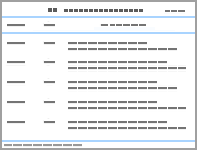
表1
HB在评估OSA严重程度及分型与泛血管疾病发生发展及临床不良结局中的作用
| 年份 | 作者 | 研究人群 | 结果 | 结论 |
| 2019 | Azarbarzin等[ | MrOS研究:来自美国6个中心、符合PSG入组标准的老年男性2 907名 | MrOS研究中,HB最高2个五分位数CVD死亡风险比分别为1.81(95%CI 1.25~2.62)和2.73(95%CI 1.71~4.36) | HB与CVD死亡和全因死亡风险增加相关 |
| SHHS研究:美国基于社区的前瞻性队列研究,共 | SHHS研究中,HB最高五分位数组CVD死亡风险比为1.96(95%CI 1.11~3.43) | |||
| 2020 | Azarbarzin等[ | SHHS研究:4 881名中老年人 | SHHS研究中,SASHB与男性心力衰竭发生风险的未调整HR为1.28(95%CI 1.11~1.47),女性为1.03(95%CI 0.90~1.16) | 在考虑人口统计学因素、吸烟、睡眠持续时间和合并症后,SASHB与两个独立队列中男性的HF事件相关 |
| MrOS研究:2 653名老年男性 | 完全调整模型中,SASHB与男性HF事件仍显著相关(HR=1.18,95%CI 1.02~1.37),女性不再显著; MrOS研究中,自然对数SASHB每增加1个SD,HF发生风险增加21.9% | |||
| 2022 | Trzepizur等[ | Pays de la Loire睡眠队列的 | 调整混杂因素后,仅HB和T90与MACE显著相关; 无事件生存期与HB升高呈负相关,全因死亡率与HB呈显著独立关联 | HB可预测HF事件,无论AHI高低。HB是新发CV事件和死亡的独立预测因子 |
| 2023 | Labarca等[ | MESA研究:基于社区的前瞻性队列研究,1 973名中老年人 | MESA研究中,完全调整模型中HB每增加1个SD,严重CVD发生风险增加45%(95%CI 14%~84%) | 在人群多样化的大型队列研究中,HB可预测CVD新发事件和全因死亡风险,且是这些结局的最强预测指标 |
| MrOS研究:2 627名老年男性 | MrOS研究中,HB与CVD发生风险增加13%(95%CI 2%~26%)、CVD死亡风险增加22%(95%CI 10%~35%)和全因死亡风险增加6%(95%CI 0~12%)相关 | |||
| 2023 | Esmaeili等[ | SHHS研究中的5 655名中老年人 | HBOxi每增加1个SD,EDS发生概率增加23%; 3%和4%去饱和的HBOxi与EDS和HTN显著相关 | HBOxi与EDS、HTN的相关性与HB相似 |
| 2024 | Zhang等[ | 2023年2月至9月在北京安贞医院住院的139例不稳定型心绞痛患者 | 高SASHB组右冠状动脉狭窄≥50%的比例高于低SASHB组(63.8% 比35.3%,P<0.001); 研究亚组之间左主左前降支和左回旋支≥50%狭窄比例差异无统计学意义; 高SASHB组较低SASHB患者冠状动脉病变更严重(Gensini评分:32.0 比18.5,P =0.002;SYNTAX评分:14.0比7.0,P= 0.002) | SASHB可有助于识别OSA合并冠心病患者高危冠状动脉病变 |
| 2023 | Pinilla等[ | ISAACC试验事后分析,呼吸多导描记诊断为OSA (AHI≥15/h) 的非嗜睡ACS患者 | 调整模型中,高SASHB组重度CAD发生率更高;CPAP治疗后,高HB组CV事件发生风险降低(HR=0.57,95%CI 0.34~0.96);低HB组较常规护理组心血管结局风险有升高趋势(HR=1.33,95%CI 0.79~2.25);治疗效果受基线HB水平影响,呈剂量-反应关系 | 在非嗜睡ACS合并OSA患者中,高HB水平提示CPAP具有更明显的长期心血管保护作用 |
| 2021 | Blanchard等[ | Pays de la Loire睡眠队列中的3 597例患者 | 完全校正模型中,缺血性脑卒中发生率与自然对数转换SASHB和自然对数转换LF/HF比值显著相关; | SASHB与包括TIA在内的缺血性脑卒中发生风险相关 |
| 排除29例TIA后,脑卒中发生率仍与自然对数转换LF/HF比值显著相关(aHR=0.60,95%CI 0.41~0.90,P=0.01),但与SASHB不再显著相关(aHR=1.17,95%CI 0.92~1.48,P=0.20) | ||||
| 2021 | Jackson等[ | MESA研究中6 800名54~84岁男性和女性 | 失眠症状与中重度CKD无显著关联,OSA患者中重度CKD患病率存在临界显著升高趋势(PR=1.20,95%CI 1.00~1.44);标准化SASHB作为连续变量时,每增加1个单位,患病率显著升高6% | 睡眠相关低氧指标,尤其是SASHB和极短睡眠时间与中重度CKD相关 |
| 2025 | Hajipour等[ | MESA研究中的587例 | 完全调整模型中, HB每增加1SD, WMHV增加0.09SD (P =0.023) | 老年OSA患者队列中,HB与WMHV相关 |
| 2025 | Huang等[ | 2023年8月至12月吉林大学第一医院睡眠呼吸障碍门诊就诊且主诉打鼾的116例患者 | OSA合并MCI组HB高于OSA不合并MCI组,而2组间AHI差异无统计学意义。调整混杂因素后,HB和REM-HB最高四分位数组较最低四分位数组MCI风险升高,OR分别为7.69(95%CI 1.15~51.55)和8.87(95%CI 1.22~64.34) | 与传统的低氧参数相比,较高的HB与认知功能障碍相关,可能是评估OSA中MCI的重要指标 |
| 2024 | Yook等[ | 2015年至2017年在三星医疗中心睡眠诊所接受PSG检查的18岁以上受试者 | 基于HB的OSA亚型在日间嗜睡等特征方面差异显著(P<0.001),而基于AHI分类的组间差异无统计学意义 | 基于HB的OSA亚型与各种临床特征和结局显著相关 |
| [1] |
DiCaro MV, Lei K, Yee B, et al. The effects of obstructive sleep apnea on the cardiovascular system: a comprehensive review[J]. J Clin Med, 2024, 13(11): 3223.
doi: 10.3390/jcm13113223 |
| [2] |
Li C, Huang Y, Chen J, et al. Retinal oculomics and risk of incident aortic aneurysm and aortic adverse events: a population-based cohort study[J]. Int J Surg, 2025, 111(3): 2478-2486.
doi: 10.1097/JS9.0000000000002236 |
| [3] |
Roy TK, Secomb TW. Effects of impaired microvascular flow regulation on metabolism-perfusion matching and organ function[J]. Microcirculation, 2021, 28(3): e12673.
doi: 10.1111/micc.12673 |
| [4] |
Zhang Q, Zhao W, Li S, et al. Intermittent hypoxia conditioning: a potential multi-organ protective therapeutic strategy[J]. Int J Med Sci, 2023, 20(12): 1551-1561.
doi: 10.7150/ijms.86622 |
| [5] |
Badran M, Gozal D. Intermittent hypoxia as a model of obstructive sleep apnea: present and future[J]. Sleep Med Clin, 2025, 20(1): 93-102.
doi: 10.1016/j.jsmc.2024.10.009 |
| [6] | 马博, 叶志东, 刘鹏. 欧洲血管外科学会2023版《动脉粥样硬化性颈动脉和椎动脉疾病管理的临床实践指南》解读[J]. 中国普通外科杂志, 2023, 32(12): 1829-1841. |
| Ma B, Ye ZD, Liu P. Interpretation of the European Society for Vascular Surgery (ESVS) 2023 clinical practice guidelines on the management of atherosclerotic carotid and vertebral artery disease[J]. China J Gen Surg, 2023, 32(12): 1829-1841. | |
| [7] |
Azarbarzin A, Sands SA, Stone KL, et al. The hypoxic burden of sleep apnoea predicts cardiovascular disease-related mortality: the osteoporotic fractures in men study and the sleep heart health study[J]. Eur Heart J, 2019, 40(14): 1149-1157.
doi: 10.1093/eurheartj/ehy624 |
| [8] |
Esmaeili N, Labarca G, Hu WH, et al. Hypoxic burden based on automatically identified desaturations is associated with adverse health outcomes[J]. Ann Am Thorac Soc, 2023, 20(11): 1633-1641.
doi: 10.1513/AnnalsATS.202303-248OC |
| [9] |
Hu Y, Zhao Y, Li P, et al. Hypoxia and panvascular diseases: exploring the role of hypoxia-inducible factors in vascular smooth muscle cells under panvascular pathologies[J]. Sci Bull, 2023, 68(17): 1954-1974.
doi: 10.1016/j.scib.2023.07.032 |
| [10] | 刘明波, 何新叶, 杨晓红, 等. 《中国心血管健康与疾病报告2024》要点解读[J]. 临床心血管病杂志, 2025, 41(7): 492-511. |
| Liu MB, He XY, Yang XH, et al. Interpretation of annual report on cardiovascular health and diseases in China 2024[J]. Journal of Clinical Cardiology, 2025, 41(7): 492-511. | |
| [11] |
Zhang Z, Ai H, Yan M, et al. Prognostic effect of obstructive sleep apnea in acute coronary syndrome patients with heart failure[J]. Respir Med, 2024, 234: 107814.
doi: 10.1016/j.rmed.2024.107814 |
| [12] |
Wang X, Fan J, Guo R, et al. Association of obstructive sleep apnoea with cardiovascular events in women and men with acute coronary syndrome[J]. Eur Respir J, 2023, 61(1): 2201110.
doi: 10.1183/13993003.01110-2022 |
| [13] |
Azarbarzin A, Sands SA, Taranto-Montemurro L, et al. The sleep apnea-specific hypoxic burden predicts incident heart failure[J]. Chest, 2020, 158(2): 739-750.
doi: 10.1016/j.chest.2020.03.053 |
| [14] |
Trzepizur W, Blanchard M, Ganem T, et al. Sleep apnea-specific hypoxic burden, symptom subtypes, and risk of cardiovascular events and all-cause mortality[J]. Am J Respir Crit Care Med, 2022, 205(1): 108-117.
doi: 10.1164/rccm.202105-1274OC |
| [15] |
Labarca G, Vena D, Hu WH, et al. Sleep apnea physiological burdens and cardiovascular morbidity and mortality[J]. Am J Respir Crit Care Med, 2023, 208(7): 802-813.
doi: 10.1164/rccm.202209-1808OC |
| [16] |
Redline S, Azarbarzin A, Peker Y. Obstructive sleep apnea heterogeneity and cardiovascular disease[J]. Nat Rev Cardiol, 2023, 20(8): 560-573.
doi: 10.1038/s41569-023-00846-6 |
| [17] |
Liu W, Zhang L, Liao W, et al. Unveiling the molecular and cellular links between obstructive sleep apnea-hypopnea syndrome and vascular aging[J]. Chin Med J, 2025, 138(2): 155-171.
doi: 10.1097/CM9.0000000000003352 |
| [18] |
Huang B, Huang Y, Zhai M, et al. Association of hypoxic burden metrics with cardiovascular outcomes in heart failure and sleep-disordered breathing[J]. ESC Heart Fail, 2023, 10(6): 3504-3514.
doi: 10.1002/ehf2.14526 |
| [19] |
Li YE, Ren J. Association between obstructive sleep apnea and cardiovascular diseases[J]. Acta Biochim Biophys Sin, 2022, 54(7): 882-892.
doi: 10.3724/abbs.2022084 |
| [20] |
Steiner S, Schueller PO, Schulze V, et al. Occurrence of coronary collateral vessels in patients with sleep apnea and total coronary occlusion[J]. Chest, 2010, 137(3): 516-520.
doi: 10.1378/chest.09-1136 |
| [21] |
Allahwala UK, Cistulli PA, Ekmejian A, et al. Relation of obstructive sleep apnea in patients with a coronary chronic total occlusion to coronary collaterals and mortality[J]. Am J Cardiol, 2021, 148: 30-35.
doi: 10.1016/j.amjcard.2021.02.034 |
| [22] |
Zhang H, Liu H, Jiao Y, et al. Association between sleep apnea-specific hypoxic burden and severity of coronary artery disease[J]. Sleep Breath, 2024, 28(3): 1293-1301.
doi: 10.1007/s11325-024-03008-1 |
| [23] |
Pinilla L, Esmaeili N, Labarca G, et al. Hypoxic burden to guide CPAP treatment allocation in patients with obstructive sleep apnea: a post hoc study of the ISAACC trial[J]. Eur Respir J, 2023, 62(6): 2300828.
doi: 10.1183/13993003.00828-2023 |
| [24] |
Kundel V, Devarakonda K, Khan S, et al. Exploring the relationship between sleep apnea, myocardial infarct size, and coronary collaterals in acute myocardial infarction: a multidisciplinary study[J]. Nat Sci Sleep, 2025, 17: 27-42.
doi: 10.2147/NSS.S489788 |
| [25] |
Onuki K, Ikeda A, Muraki I, et al. Nocturnal intermittent hypoxia and the risk of cardiovascular disease among Japanese populations: the circulatory risk in communities study (CIRCS)[J]. J Atheroscler Thromb, 2023, 30(9): 1276-1287.
doi: 10.5551/jat.63754 |
| [26] |
Blanchard M, Gervès-Pinquié C, Feuilloy M, et al. Hypoxic burden and heart rate variability predict stroke incidence in sleep apnoea[J]. Eur Respir J, 2021, 57(3): 2004022.
doi: 10.1183/13993003.04022-2020 |
| [27] |
Bodard S, Denis L, Hingot V, et al. Ultrasound localization microscopy of the human kidney allograft on a clinical ultrasound scanner[J]. Kidney Int, 2023, 103(5): 930-935.
doi: 10.1016/j.kint.2023.01.027 |
| [28] |
Jackson CL, Umesi C, Gaston SA, et al. Multiple, objectively measured sleep dimensions including hypoxic burden and chronic kidney disease: findings from the multi-ethnic study of atherosclerosis[J]. Thorax, 2021, 76(7): 704-713.
doi: 10.1136/thoraxjnl-2020-214713 |
| [29] |
Berisha DE, Rizvi B, Chappel-Farley MG, et al. Association of hypoxemia due to obstructive sleep apnea with white matter hyperintensities and temporal lobe changes in older adults[J]. Neurology, 2025, 104(11): e213639.
doi: 10.1212/WNL.0000000000213639 |
| [30] |
Groh J, Simons M. White matter aging and its impact on brain function[J]. Neuron, 2025, 113(1): 127-139.
doi: 10.1016/j.neuron.2024.10.019 |
| [31] |
Hajipour M, Hu WH, Esmaeili N, et al. Sleep apnea physiological burdens and markers of white matter injury: the multi-ethnic study of atherosclerosis[J]. J Clin Sleep Med, 2025, 21(3): 457-466.
doi: 10.5664/jcsm.11422 |
| [32] |
Huang X, Zhang Z, Lan X, et al. The association between hypoxic burden and the risk of cognitive impairment in patients with obstructive sleep apnea[J]. Sleep, 2025, 48(3): zsae269.
doi: 10.1093/sleep/zsae269 |
| [33] |
Yook S, Park HR, Seo D, et al. Obstructive sleep apnea subtyping based on apnea and hypopnea specific hypoxic burden is associated with brain aging and cardiometabolic syndrome[J]. Comput Biol Med, 2025, 185: 109604.
doi: 10.1016/j.compbiomed.2024.109604 |
| [34] |
Cohen O, Kundel V, Barbé F, et al. The great controversy of obstructive sleep apnea treatment for cardiovascular risk benefit: advancing the science through expert consensus: an official American thoracic society workshop report[J]. Ann Am Thorac Soc, 2025, 22(1): 1-22.
doi: 10.1513/AnnalsATS.202409-981ST |
| [1] | 张婷婷, 黄慧, 孙宏莉. 非结核分枝杆菌实验室诊断的现状和研究进展[J]. 诊断学理论与实践, 2026, 25(03): 249-259. |
| [2] | 邵丙强, 吴友伟. 急性肠系膜缺血的生物标志物研究进展[J]. 内科理论与实践, 2026, 21(02): 194-198. |
| [3] | 方珉, 刘静文, 曾媛媛, 金爱萍. 阿尔茨海默病诊断的血液生物标志物进展[J]. 诊断学理论与实践, 2026, 25(02): 113-120. |
| [4] | 张楠, 卢清正. 不典型阿尔茨海默病的诊断[J]. 诊断学理论与实践, 2026, 25(02): 121-130. |
| [5] | 孔雪莹, 洪桢. 自身免疫性脑炎生物标志物研究现状及挑战[J]. 诊断学理论与实践, 2026, 25(02): 218-224. |
| [6] | 汤朝毅, 黄荣荣, 乔露, 李维辛. 血浆抵抗素作为初筛老年肌少症的标志物研究[J]. 诊断学理论与实践, 2026, 25(02): 209-217. |
| [7] | 刘柠玮, 来爽, 关琳, 杨美琪, 李异玲. 空腹呼气末H2S、NO、H2、CH4对大肠息肉临床诊断价值的研究[J]. 外科理论与实践, 2026, 31(01): 64-69. |
| [8] | 蔡姣迪, 陈国群, 张文琴. 2025年NCCN非小细胞肺癌临床实践(V1-V3)指南解读[J]. 诊断学理论与实践, 2026, 25(01): 37-43. |
| [9] | 黄曼, 丁朔. 脓毒症的诊治现状及挑战[J]. 诊断学理论与实践, 2025, 24(06): 583-592. |
| [10] | 余立钦, 严潇宇, 王蒲雄志, 王伟, 王坚. 不可切除胆道恶性肿瘤免疫及靶向治疗的现状与思考[J]. 外科理论与实践, 2025, 30(06): 544-550. |
| [11] | 李雨航, 肖世富, 岳玲. 轻度行为损害与阿尔茨海默病相关研究的进展[J]. 诊断学理论与实践, 2025, 24(05): 548-554. |
| [12] | 李慧凛. 重视风湿免疫性疾病肾损害:诊治挑战与管理策略[J]. 内科理论与实践, 2025, 20(04): 267-271. |
| [13] | 刘敬浩, 郭海艳, 甘桂芳, 陈福祥. miR-2355-3p、miR-337-3p和miR-99a-5p检测在头颈部鳞状细胞癌早期筛查中的价值[J]. 诊断学理论与实践, 2025, 24(02): 204-211. |
| [14] | 弓殷, 王学玲. 相关标志物及肠道微生物对结直肠癌肝转移的研究进展[J]. 内科理论与实践, 2025, 20(02): 178-182. |
| [15] | 周悦, 叶媚娜, 代秋颖, 等. 肉芽肿性乳腺炎病灶组织差异表达蛋白质筛选及关键分子验证[J]. 组织工程与重建外科杂志, 2024, 20(1): 75-. |
| 阅读次数 | ||||||
|
全文 |
|
|||||
|
摘要 |
|
|||||
