

外科理论与实践 ›› 2026, Vol. 31 ›› Issue (03): 196-203.doi: 10.16139/j.1007-9610.2026.03.04
王涵, 王铮, 陈小松( )
收稿日期:2026-05-25
出版日期:2026-06-25
发布日期:2026-08-11
通讯作者:
陈小松,E-mail: chenxiaosong0156@hotmail.com作者简介:作者贡献/Authors’contributions
王涵负责资料收集和撰写;王铮负责指导、提供意见;陈小松负责指导、审查和修订。所有作者均阅读并确认最终稿。
WANG Han, WANG Zheng, CHEN Xiaosong()
Received:2026-05-25
Online:2026-06-25
Published:2026-08-11
摘要:
乳腺癌的发生发展与肿瘤微环境密切相关,近年研究揭示肿瘤内菌群具有重要调控作用。本综述系统总结了乳腺肿瘤内菌群的组成特征、作用机制、对疗效的影响及靶向干预策略。组成上,肿瘤组织存在明显菌群失调,其谱系与乳腺癌分子分型相关,特定菌属与病人预后存在关联。机制上,肿瘤内菌群可通过诱导DNA损伤、介导炎症与免疫重塑、调控代谢重编程、影响表观遗传修饰及激活经典致癌通路,协同促进肿瘤发生、侵袭与转移。治疗方面,菌群介导化疗耐药、内分泌治疗耐药、抗HER2耐药及免疫治疗增敏。干预策略上,工程化细菌和纳米药物平台在临床前模型中展现出良好的协同抗肿瘤效果。最后,本文探讨了检测标准化、多组学整合及临床转化等未来挑战。
中图分类号:
王涵, 王铮, 陈小松. 肿瘤内菌群与乳腺癌:从机制探索到临床干预新靶点[J]. 外科理论与实践, 2026, 31(03): 196-203.
WANG Han, WANG Zheng, CHEN Xiaosong. Intratumoral microbiota and breast cancer: from mechanistic exploration to novel targets for clinical intervention[J]. Journal of Surgery Concepts & Practice, 2026, 31(03): 196-203.
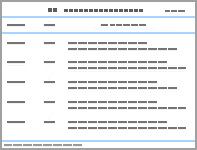
表1
肿瘤内菌群影响乳腺癌发生发展及治疗响应的机制
| 菌群 | 作用机制 | 对肿瘤的影响 | 治疗响应 | 文献 |
|---|---|---|---|---|
| 产肠毒素脆弱拟杆菌 | BFT→ROS→γ-H2AX; Notch1/Wnt/β-catenin通路 | 诱导DNA损伤; 增强侵袭性及干性;化疗耐药 | 化疗 | [ |
| 具核梭杆菌 | FadA→E-cadherin/β-catenin→CHK2; TLR4/MyD88→自噬;METTL3→m6A修饰 | 诱导DNA损伤;促进免疫逃逸及肿瘤转移;化疗耐药 | 化疗 | [ |
| 大肠埃希菌 | 诱导DNA双链断裂;STAT3通路 | 增强干性;诱导EMT;促进肿瘤生长 | 化疗 | [ |
| 金黄色葡萄球菌 | RIG-I样受体→NF-κB→CCL5-CCR5; 肽聚糖→TLR2-NF-κB | 促炎;促进肿瘤转移;增强侵袭性 | / | [ |
| 铜绿假单胞菌 | 群体感应信号分子3oc→TGF-β→ErbB2磷酸化 | 促进曲妥珠单抗耐药 | 抗HER2靶向治疗 | [ |
| 约氏乳杆菌 | IPA/睾酮 → CD8+ T细胞浸润 | 增敏免疫治疗 | 免疫治疗 | [ |
| 双歧杆菌 | STING通路 | 增敏免疫治疗 | 免疫治疗 | [ |
| 枯草芽孢杆菌 | EPS → IKKβ/STAT1通路 | 诱导内分泌治疗耐药 | 内分泌治疗 | [ |
| [1] |
Nejman D, Livyatan I, Fuks G, et al. The human tumor microbiome is composed of tumor type-specific intracellular bacteria[J]. Science, 2020, 368(6494):973-980.
doi: 10.1126/science.aay9189 pmid: 32467386 |
| [2] |
Tzeng A, Sangwan N, Jia M, et al. Human breast microbiome correlates with prognostic features and immunological signatures in breast cancer[J]. Genome Med, 2021, 13(1):60.
doi: 10.1186/s13073-021-00874-2 pmid: 33863341 |
| [3] |
Banerjee S, Tian T, Wei Z, et al. Distinct microbial signatures associated with different breast cancer types[J]. Front Microbiol, 2018, 9:951.
doi: 10.3389/fmicb.2018.00951 pmid: 29867857 |
| [4] |
Banerjee S, Wei Z, Tian T, et al. Prognostic correlations with the microbiome of breast cancer subtypes[J]. Cell Death Dis, 2021, 12(9):831.
doi: 10.1038/s41419-021-04092-x pmid: 34482363 |
| [5] |
Urbaniak C, Gloor G B, Brackstone M, et al. The microbiota of breast tissue and its association with breast cancer[J]. Appl Environ Microbiol, 2016, 82(16):5039-5048.
doi: 10.1128/AEM.01235-16 URL |
| [6] |
Goodwin A C, Destefano Shields C E, Wu S, et al. Polyamine catabolism contributes to enterotoxigenic Bacteroides fragilis-induced colon tumorigenesis[J]. Proc Natl Acad Sci U S A, 2011, 108(37):15354-15359.
doi: 10.1073/pnas.1010203108 URL |
| [7] |
Guo P, Tian Z, Kong X, et al. FadA promotes DNA damage and progression of Fusobacterium nucleatum-induced colorectal cancer through up-regulation of chk2[J]. J Exp Clin Cancer Res, 2020, 39(1):202.
doi: 10.1186/s13046-020-01677-w pmid: 32993749 |
| [8] |
Park S R, Kim D J, Han S H, et al. Diverse toll-like receptors mediate cytokine production by fusobacterium nucleatum and aggregatibacter actinomycetemcomitans in macrophages[J]. Infect Immun, 2014, 82(5):1914-1920.
doi: 10.1128/IAI.01226-13 URL |
| [9] |
Zhao H, Zhang L, Du D, et al. The RIG-Ⅰ-like receptor signaling pathway triggered by Staphylococcus aureus promotes breast cancer metastasis[J]. Int Immunopharmacol, 2024, 142:113195.
doi: 10.1016/j.intimp.2024.113195 URL |
| [10] |
Xie W, Huang Y, Xie W, et al. Bacteria peptidoglycan promoted breast cancer cell invasiveness and adhesiveness by targeting toll-like receptor 2 in the cancer cells[J]. PLOS ONE, 2010, 5(5):e10850.
doi: 10.1371/journal.pone.0010850 URL |
| [11] |
Bernardo G, Le Noci V, Ottaviano E, et al. Reduction of Staphylococcus epidermidis in the mammary tumor microbiota induces antitumor immunity and decreases breast cancer aggressiveness[J]. Cancer Letter, 2023, 555:216041.
doi: 10.1016/j.canlet.2022.216041 URL |
| [12] |
Parhi L, Alon-Maimon T, Sol A, et al. Breast cancer colonization by Fusobacterium nucleatum accelerates tumor growth and metastatic progression[J]. Nat Commun, 2020, 11(1):3259.
doi: 10.1038/s41467-020-16967-2 |
| [13] |
Van der Merwe M, Van Niekerk G, Botha A, et al. The onco-immunological implications of Fusobacterium nucleatum in breast cancer[J]. Immunol Lett, 2021, 232:60-66.
doi: 10.1016/j.imlet.2021.02.007 URL |
| [14] |
Chen Y, Peng Y, Yu J, et al. Invasive Fusobacterium nucleatum activates betacatenin signaling in colorectal cancer via a TLR4/PPAK1 cascade[J]. Oncotarget, 2017, 8(19):31802-31814.
doi: 10.18632/oncotarget.v8i19 URL |
| [15] |
Guo X, Yu K, Huang R. The ways Fusobacterium nucleatum translocate to breast tissue and contribute to breast cancer development[J]. Mol Oral Microbiol, 2024, 39(1):1-11.
doi: 10.1111/omi.v39.1 URL |
| [16] |
Yao B, Liu X, Ruan K, et al. Divergent tumor immunity determined by bacteria-cancer cell engagement[J]. Cell, 2026, 189(6):1748-1767.e26.
doi: 10.1016/j.cell.2025.12.044 URL |
| [17] | Nandi D, Parida S, Verma D, et al. Spermine oxidase serves as a key functional node in microbial dysbiosis-induced breast carcinogenesis[J]. Cancer Res, 2026, 86(8):1920-1938. |
| [18] |
Giallourou N, Urbaniak C, Puebla-Barragan S, et al. Characterizing the breast cancer lipidome and its interaction with the tissue microbiota[J]. Commun Biol, 2021, 4(1):1229.
doi: 10.1038/s42003-021-02710-0 pmid: 34707244 |
| [19] | AlMalki R H, Sebaa R, Al-Ansari M M, et al. E. coli secretome metabolically modulates MDA-MB-231 breast cancer cells' energy metabolism[J]. Int J Mol, 2023, 24(4):4219. |
| [20] |
Verma D, Nandi D, Parida S, et al. An enteropathogenic microbial toxin modulates the breast cancer epigenome resulting in concurrent silencing of tumor suppressor genes[J]. Breast Cancer Res, 2025, 27(1):163.
doi: 10.1186/s13058-025-02111-9 pmid: 41013770 |
| [21] |
Guo S, Chen F, Li L, et al. Intracellular Fusobacterium nucleatum infection increases METTL3-mediated m6A methylation to promote the metastasis of esophageal squamous cell carcinoma[J]. J Adv Res, 2024, 61:165-178.
doi: 10.1016/j.jare.2023.08.014 URL |
| [22] |
Huang Y, Guo Z, Zeng Z, et al. Fusobacterium nucleatum promotes metastasis of breast cancer via the miR-21-3p/FOXO3 axis[J]. Front Oncol, 2025, 15:1530269.
doi: 10.3389/fonc.2025.1530269 URL |
| [23] |
Contreras-Leal E, Hernández-Oliveras A, Flores-Peredo L, et al. Histone deacetylase inhibitors promote the expression of ATP2A3 gene in breast cancer cell lines[J]. Mol Carcinog, 2016, 55(10):1477-1485.
doi: 10.1002/mc.22402 URL |
| [24] |
Parida S, Wu S, Siddharth S, et al. A procarcinogenic colon microbe promotes breast tumorigenesis and metastatic progression and concomitantly activates notch and β-catenin axes[J]. Cancer Discov, 2021, 11(5):1138-1157.
doi: 10.1158/2159-8290.CD-20-0537 pmid: 33408241 |
| [25] |
Chen G, Gao C, Jiang S, et al. Fusobacterium nucleatum outer membrane vesicles activate autophagy to promote oral cancer metastasis[J]. J Adv Res, 2024, 56:167-179.
doi: 10.1016/j.jare.2023.04.002 URL |
| [26] |
Alshehri J H, Al-Nasrallah H K, Al-Ansari M M, et al. Activation of mammary epithelial and stromal fibroblasts upon exposure to escherichia coli metabolites[J]. Cells, 2024, 13(20):1723.
doi: 10.3390/cells13201723 URL |
| [27] |
Fu A, Yao B, Dong T, et al. Tumor-resident intracellular microbiota promotes metastatic colonization in breast cancer[J]. Cell, 2022, 185(8):1356-1372.e26.
doi: 10.1016/j.cell.2022.02.027 pmid: 35395179 |
| [28] |
Ma W, Zhang L, Chen W, et al. Microbiota enterotoxigenic Bacteroides fragilis-secreted BFT-1 promotes breast cancer cell stemness and chemoresistance through its functional receptor NOD1[J]. Protein Cell, 2024, 15(6):419-440.
doi: 10.1093/procel/pwae005 URL |
| [29] |
Yu T, Guo F, Yu Y, et al. Fusobacterium nucleatum promotes chemoresistance to colorectal cancer by modulating autophagy[J]. Cell, 2017, 170(3):548-563.e16.
doi: 10.1016/j.cell.2017.07.008 URL |
| [30] |
Chiba A, Bawaneh A, Velazquez C, et al. Neoadjuvant chemotherapy shifts breast tumor microbiota populations to regulate drug responsiveness and the development of metastasis[J]. Mol Cancer Res, 2020, 18(1):130-139.
doi: 10.1158/1541-7786.MCR-19-0451 pmid: 31628201 |
| [31] |
Lasagna A, De Amici M, Rossi C, et al. The bio-diversity and the role of gut microbiota in postmenopausal women with luminal breast cancer treated with aromatase inhibitors: an observational cohort study[J]. Pathogens, 2022, 11(12):1421.
doi: 10.3390/pathogens11121421 URL |
| [32] | Arnone A A, Cook K L. Gut and breast microbiota as endocrine regulators of hormone receptor-positive breast cancer risk and therapy response[J]. Endocrinology, 2022, 164(1):bqac177. |
| [33] |
Chen K L A, Liu X, Zhao Y C, et al. Long-term administration of conjugated estrogen and bazedoxifene decreased murine fecal β-glucuronidase activity without impacting overall microbiome community[J]. Sci Rep, 2018, 8(1):8166.
doi: 10.1038/s41598-018-26506-1 pmid: 29802368 |
| [34] |
Arnone A A, Ansley K, Heeke A L, et al. Gut microbiota interact with breast cancer therapeutics to modulate efficacy[J]. EMBO Mol Med, 2025, 17(2):219-234.
doi: 10.1038/s44321-024-00185-0 pmid: 39820166 |
| [35] |
Nguyen M R, Ma E, Wyatt D, et al. The effect of an exopolysaccharide probiotic molecule from Bacillus subtilis on breast cancer cells[J]. Front Oncol, 2023, 13:1292635.
doi: 10.3389/fonc.2023.1292635 URL |
| [36] | Qin G, Shao X, Liu X, et al. A signaling molecule from intratumor bacteria promotes trastuzumab resistance in breast cancer cells[J]. Proc Natl Acad Sci U S A, 2025, 122(2):e2421710122. |
| [37] |
Jia D, Wang Q, Qi Y, et al. Microbial metabolite enhances immunotherapy efficacy by modulating T cell stemness in pan-cancer[J]. Cell, 2024, 187(7):1651-1665.e21.
doi: 10.1016/j.cell.2024.02.022 URL |
| [38] |
Wang H, Rong X, Zhao G, et al. The microbial metabolite trimethylamine N-oxide promotes antitumor immunity in triple-negative breast cancer[J]. Cell Metab, 2022, 34(4):581-594.e8.
doi: 10.1016/j.cmet.2022.02.010 pmid: 35278352 |
| [39] |
Kalaora S, Nagler A, Nejman D, et al. Identification of bacteria-derived HLA-bound peptides in melanoma[J]. Nature, 2021, 592(7852):138-143.
doi: 10.1038/s41586-021-03368-8 |
| [40] |
Shi Y, Zheng W, Yang K, et al. Intratumoral accumulation of gut microbiota facilitates CD47-based immunotherapy via STING signaling[J]. J Exp Med, 2020, 217(5):e20192282.
doi: 10.1084/jem.20192282 URL |
| [41] |
Huang Y, Zhu N, Zheng X, et al. Intratumor microbiome analysis identifies positive association between megasphaera and survival of Chinese patients with pancreatic ductal adenocarcinomas[J]. Front Immunol, 2022, 13:785422.
doi: 10.3389/fimmu.2022.785422 URL |
| [42] |
Gurbatri C R, Lia I, Vincent R, et al. Engineered probio-tics for local tumor delivery of checkpoint blockade nanobodies[J]. Sci Transl Med, 2020, 12(530):eaax0876.
doi: 10.1126/scitranslmed.aax0876 URL |
| [43] |
Canale F P, Basso C, Antonini G, et al. Metabolic modulation of tumours with engineered bacteria for immunotherapy[J]. Nature, 2021, 598(7882):662-666.
doi: 10.1038/s41586-021-04003-2 |
| [44] | Yue L, Geng F, Jin J, et al. Lactobacillus reuteri assists engineered bacteria that target tumors to release PD-L1nb to mitigate the adverse effects of breast cancer immunotherapy[J]. Biotechnol J, 2024, 19(12):e202400428. |
| [45] |
Huang J, Tang Y, Xiang K, et al. Bacteria-powered LA@CaDGP biomotor: a multi-modal weapon integrating calcium overload, chemotherapy, and starvation for breast cancer therapy[J]. J Nanobiotechnol, 2026, 24(1):112.
doi: 10.1186/s12951-025-03968-w |
| [46] |
Yang L, Zhang Y, Chen T, et al. Dual targeting biomimetic nanoplatform eradicates oncogenic bacteria while reinvigorating anti-tumor immunity in breast cancer[J]. ACS Appl Mater Interfaces, 2025, 17(44):60319-60331.
doi: 10.1021/acsami.5c16642 URL |
| [47] | Xie Y, Wang J, Li L, et al. A metal chelation therapy to effectively eliminate breast cancer and intratumor bacteria while suppressing tumor metastasis by copper depletion and zinc ions surge[J]. Angew Chem Int Ed Engl, 2025, 64(5):e202417592. |
| [48] |
Gao J, Tang L, Fu C, et al. A nano-strategy for advanced triple-negative breast cancer therapy by regulating intratumoral microbiota[J]. Nano Lett, 2025, 25(15):6134-6144.
doi: 10.1021/acs.nanolett.5c00298 pmid: 40177896 |
| [49] |
Zhuang H, Wang R, Qi Y, et al. Nanocoated bacteria with H2S generation-triggered self-amplified photothermal and photodynamic effect for breast cancer therapy[J]. J Control Release, 2024, 373:507-519.
doi: 10.1016/j.jconrel.2024.07.036 URL |
| [50] | Yuan W, Jiang X, Qin J, et al. A smart all-in-one strategy based on hybrid bacteria with targeting drug delivery and spatiotemporal drug release to boost the synergistic therapeutic efficacy against TNBC[J]. Mater Today Bio, 2025, 32:101849. |
| [51] |
Zhai X, Shi X, Liu X, et al. Targeted enrichment of engineered bacteria on triple-negative breast cancer turns immunologically cold tumors hot[J]. Adv Sci, 2025, 12(47):e10171.
doi: 10.1002/advs.v12.47 URL |
| [52] |
Li S, Gao Y, Jiang D, et al. Ultrasound-activated nanoplatform counteracts triple-negative breast cancer via remodeling intratumoral microbiota-metabolism and indu-cing ferroptosis[J]. Biomater Res, 2026, 30:0317.
doi: 10.34133/bmr.0317 URL |
| [1] | . 基因编辑的自然杀伤细胞在肿瘤治疗中的应用:进展、挑战与前景[J]. J Shanghai Jiaotong Univ Sci, 2026, 31(3): 584-603. |
| [2] | 商庆尧, 董旭彬, 岳家贤, 王昕. 乳腺癌腋窝管理的降阶梯趋势:循证进展与未来方向[J]. 外科理论与实践, 2026, 31(03): 191-195. |
| [3] | 朱能军, 曹健, 陈小松, 朱思吉. 大语言模型赋能乳腺外科精准决策与全周期病人管理[J]. 外科理论与实践, 2026, 31(03): 185-190. |
| [4] | 阮淼, 费晓春, 笪倩. 乳腺癌数字化病理与人工智能辅助诊断[J]. 外科理论与实践, 2026, 31(03): 204-211. |
| [5] | 王豪雨, 朱思吉, 李安琪, 陈小松. 循环肿瘤DNA在乳腺癌精准诊疗中的应用与展望[J]. 外科理论与实践, 2026, 31(03): 212-217. |
| [6] | 徐佳妍, 朱思吉. CDK4/6抑制剂在早期乳腺癌辅助治疗应用的热点问题[J]. 外科理论与实践, 2026, 31(03): 227-233. |
| [7] | 吴春晓, 庞怡, 顾凯, 陈蕾, 吴梦吟, 杨群娣, 施燕. 2002—2021年上海市女性乳腺癌发病和死亡情况分析:基于人群基础的研究[J]. 外科理论与实践, 2026, 31(03): 234-242. |
| [8] | 陈园园, 王杰, 陈方. 同时性双侧乳腺癌的临床病理特征及预后分析[J]. 外科理论与实践, 2026, 31(03): 243-249. |
| [9] | 袁帅, 徐国萍, 杨莉, 史有阳, 魏敏. 单孔乳腔镜辅助胸肌前假体置入对比开放胸肌后假体置入Ⅰ期乳房重建术的回顾性研究[J]. 外科理论与实践, 2026, 31(03): 250-256. |
| [10] | 刘金跃, 邱伟华. 肿瘤相关成纤维细胞在甲状腺癌中的研究进展[J]. 外科理论与实践, 2026, 31(02): 158-162. |
| [11] | 陆亭谚, 赵浩然, 石松畅, 李宗耀, 邵岩飞, 陈敬贤, 孙晶. 中药槐耳治疗消化系统恶性肿瘤的研究进展[J]. 外科理论与实践, 2026, 31(02): 175-182. |
| [12] | 刘丹, 陈莹, 谢枫枫, 等.
肋间穿支皮瓣用于假体乳房重建患者乳头即刻重建
[J]. 组织工程与重建外科杂志, 2025, 21(6): 575-. |
| [13] | 高敏哲, 于子优, 汪立, 等. CDT 治疗乳腺癌相关Ⅲ期淋巴水肿疗效的机制研究[J]. 组织工程与重建外科杂志, 2025, 21(4): 362-. |
| [14] | 杨清玉, 曾媛媛, 王秋舟, 等. 互助支持干预对乳腺癌改良根治术后假体重建患者家庭关怀及社会支持水平的影响[J]. 组织工程与重建外科杂志, 2025, 21(3): 283-. |
| [15] | 曹卫刚, 杨振林. 自体皮瓣重建乳腺癌术后胸壁缺损的临床经验[J]. 组织工程与重建外科杂志, 2025, 21(3): 225-. |
| 阅读次数 | ||||||
|
全文 |
|
|||||
|
摘要 |
|
|||||
