

Journal of Internal Medicine Concepts & Practice ›› 2025, Vol. 20 ›› Issue (06): 500-504.doi: 10.16138/j.1673-6087.2025.06.13
Previous Articles Next Articles
KANG Xina, YANG Tinga, XU Xiab, GAO Lihonga, KONG Ruinab, YANG Yunyuna, HUANG Xiaohuia, WANG Zhuoa,*( ), GAO Jieb,*()
Received:2024-11-14
Online:2025-12-30
Published:2026-01-30
CLC Number:
KANG Xin, YANG Ting, XU Xia, GAO Lihong, KONG Ruina, YANG Yunyun, HUANG Xiaohui, WANG Zhuo, GAO Jie. Application of therapeutic drug monitoring in immunosuppressant treatment of rheumatism[J]. Journal of Internal Medicine Concepts & Practice, 2025, 20(06): 500-504.
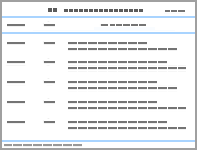
Table 1
Target blood concentrations of CsA and TAC in patients with different rheumatic and immunological diseases(ng/mL)
| 风湿免疫性疾病 | CsA血药谷浓度 | TAC血药谷浓度 |
| 1):剂量来源于已发表研究和已发表的共识或指南;2):剂量来源于病例报告、病例系列或专家共识,无其他可参考依据; 3):剂量仅来源于相关疾病诊治共识;其他剂量范围来源于随机对照试验或队列研究。 | ||
| 成人SLE | 75~200 | 3~10 |
| 儿童狼疮性肾炎 | 75~200 1) | 5~15 1) |
| RA | 75~150 | / |
| 多发性肌炎/皮肌炎 | 100~250 | 5~10 |
| 幼年皮肌炎 | 60~300 | 5~15 3) |
| 自身免疫性肝炎 | 100~300 | 3~8 |
| 系统性硬化病 | / | 5~15 |
| 抗中性粒细胞胞浆抗体相关性血管炎 | 60~200 | / |
| 白塞病 | / | <15 2) |
| [1] | 管思宇. 治疗药物监测研究概述及进展[J]. 临床合理用药, 2024, 17(2):177-180. |
| Guan SY. Overview and advances in therapeutic drug monitoring research[J]. Chin J of Clinical Rational Drug Use, 2024, 17(2):177-180. | |
| [2] | 袁昕怡, 张天娇, 张传宝. 免疫抑制剂检测策略的研究进展[J]. 临床检验杂志, 2024, 42(4):284-288. |
| Yuan XY, Zhang TJ, Zhang CB. Advances in detection strategies for immunosuppressive drugs[J]. Chin J Clin Lab Sci, 2024, 42(4):284-288. | |
| [3] | Seger C, Salzmann L. After another decade:LC-MS/MS became routine in clinical diagnostics[J]. Clin Biochem, 2020, 82:2-11. |
| [4] | 王保全, 瞿静, 平娟, 等. 基于纳米金修饰的核酸适体生物传感器用于环孢素浓度的体外测定[J]. 基因组学与应用生物学, 2016, 35(8):1903-1907. |
| Wang BQ, Qu J, Ping J, et al. Detection of the concentrations of ciclosporin (CsA) with aptamer biosensor modified by nano gold solution in vitro[J]. Genomics and Applied Biology, 2016, 35(8):1903-1907. | |
| [5] | 谢以清, 郭项雨, 张文鹏, 等. 薄层纸喷雾离子化-小型便携式质谱法即时检验血液中免疫抑制剂[J]. 质谱学报, 2023, 44(6):762-769. |
| Xie YQ, Guo XY, Zhang WP, et al. Point-of-care testing of immunosuppressants in blood using thin-layer paper spray ionization and a miniature mass spectrometer[J]. Journal of Chinese Mass Spectrometry Society, 2023, 44(6):762-769. | |
| [6] |
陈锦珊, 张涛, 杨丽娜, 等. 40家军队医院治疗药物监测情况调查[J]. 药学服务与研究, 2019, 19(3):175-179.
doi: 10.5428/pcar20190305 |
|
Chen JS, Zhang T, Yang LN, et al. Survey on the current situation of therapeutic drug monitoring in 40 military hospitals[J]. Pharm Care Res, 2019, 19(3):175-179.
doi: 10.5428/pcar20190305 |
|
| [7] | 李沭, 张倩, 张爽, 等. 2018年中国医院治疗药物监测开展状况调查[J]. 中国药学杂志, 2019, 54(24):2087-2092. |
| Li S, Zhang Q, Zhang S, et al. Survey on the development of therapeutic drug monitoring in Chinese hospitals in 2018[J]. Chin Pharm J, 2019, 54(24):2087-2092. | |
| [8] |
Mok CC, Ying KY, Yim CW, et al. Tacrolimus versus mycophenolate mofetil for induction therapy of lupus nephritis: a randomised controlled trial and long-term follow-up[J]. Ann Rheum Dis, 2016, 75(1):30-36.
doi: 10.1136/annrheumdis-2014-206456 |
| [9] |
Saito T, Iwano M, Matsumoto K, et al. Significance of combined cyclosporine-prednisolone therapy and cyclosporine blood concentration monitoring for idiopathic membranous nephropathy with steroid-resistant nephrotic syndrome: a randomized controlled multicenter trial[J]. Clin Exp Nephrol, 2014, 18(5):784-794.
doi: 10.1007/s10157-013-0925-2 |
| [10] | Kotani T, Makino S, Takeuchi T, et al. Early intervention with corticosteroids and cyclosporin A and 2-hour postdose blood concentration monitoring improves the prognosis of acute/subacute interstitial pneumonia in dermatomyositis[J]. J Rheumatol, 2008, 35(2):254-259. |
| [11] |
Nakamura T, Nozu K, Iijima K, et al. Association of cumulative cyclosporine dose with its irreversible nephrotoxicity in Japanese patients with pediatric-onset autoimmune diseases[J]. Biol Pharm Bull, 2007, 30(12):2371-2375.
doi: 10.1248/bpb.30.2371 |
| [12] |
Chen X, Wang DD, Li ZP. Analysis of time course and dose effect of tacrolimus on proteinuria in lupus nephritis patients[J]. J Clin Pharm Ther, 2021, 46(1):106-113.
doi: 10.1111/jcpt.13260 |
| [13] | Wu T, Peng J, Meng T, et al. Clinicopathological features and prognostic analysis of 49 cases with crescentic glomerulonephritis[J]. Exp Ther Med, 2019, 18(5):3984-3990. |
| [14] | 谢文慧, 张卓莉. 治疗药物监测在系统性红斑狼疮治疗中的研究现状[J]. 中国临床药理学杂志, 2019, 35(1):87-90. |
| Xie WH, Zhang ZL. Research status of therapeutic drug monitoring in systemic lupus erythematosus[J]. Chin J Clin Pharmacol, 2019, 35(1):87-90. | |
| [15] | 杜文鹏, 敖检根, 陶祎, 等. 自身免疫疾病患者他克莫司稳态血药浓度影响因素的研究[J]. 中国临床药理学与治疗学, 2022, 27(6):645-651. |
| Du WP, Ao JG, Tao Y, et al. Study on the factors affecting the steady-state blood concentration of ta-crolimus in patients with autoimmune diseases[J]. Chin J Clin Pharmacol Ther, 2022, 27(6):645-651. | |
| [16] | Ihara H, Shinkuma D, Ichikawa Y, et al. Intra- and interindividual variation in the pharmacokinetics of tacrolimus (FK506) in kidney transplant recipients—importance of trough level as a practical indicator[J]. Int J Urol, 1995, 2(3):151-155. |
| [17] |
曹爱霖, 王学彬, 王卓, 等. 他克莫司及其血药浓度检测方法研究进展[J]. 药学服务与研究, 2021, 21(3):161-165,180.
doi: 10.5428/pcar20210301 |
|
Cao AL, Wang XB, Wang Z, et al. Research progress in tacrolimus and methods of therapeutic drug monitoring[J]. Pharm Care Res, 2021, 21(3):161-165,180.
doi: 10.5428/pcar20210301 |
|
| [23] |
Zahr N, Arnaud L, Marquet P, et al. Mycophenolic acid area under the curve correlates with disease activity in lupus patients treated with mycophenolate mofetil[J]. Arthritis Rheum, 2010, 62(7):2047-2054.
doi: 10.1002/art.27495 |
| [24] |
Zabotti A, Baraldo M, Quartuccio L, et al. Optimizing the dose of mycophenolate mofetil for the maintenance treatment of lupus nephritis by therapeutic drug monitoring[J]. Clin Rheumatol, 2015, 34(1):171-174.
doi: 10.1007/s10067-014-2786-9 |
| [25] |
Neumann I, Fuhrmann H, Fang IF, et al. Association between mycophenolic acid 12-h trough levels and clinical endpoints in patients with autoimmune disease on mycophenolate mofetil[J]. Nephrol Dial Transplant, 2008, 23(11):3514-3520.
doi: 10.1093/ndt/gfn360 |
| [26] |
Djabarouti S, Breilh D, Duffau P, et al. Steady-state mycophenolate mofetil pharmacokinetic parameters enable prediction of systemic lupus erythematosus clinical flares: an observational cohort study[J]. Arthritis Res Ther, 2010, 12(6):R217.
doi: 10.1186/ar3202 |
| [27] | 丁肖梁, 缪丽燕. 基于治疗药物监测优化阿达木单抗治疗: 当前证据和展望[J]. 中国循证医学杂志, 2023, 23(1):85-93. |
| Ding XL, Miao LY. Optimizing adalimumab therapies using therapeutic drug monitoring: current evidence and future perspectives[J]. Chinese Journal of Evidence-Based Medicine, 2023, 23(1):85-93. | |
| [28] |
Krieckaert CL, van Tubergen A, Gehin JE, et al. EULAR points to consider for therapeutic drug monitoring of biopharmaceuticals in inflammatory rheumatic and musculoskeletal diseases[J]. Ann Rheum Dis, 2023, 82(1):65-73.
doi: 10.1136/annrheumdis-2022-222155 |
| [18] |
Brunet M, van Gelder T, Åsberg A, et al. Therapeutic drug monitoring of tacrolimus-personalized therapy: second consensus report[J]. Ther Drug Monit, 2019, 41(3):261-307.
doi: 10.1097/FTD.0000000000000640 |
| [19] | 国家皮肤与免疫疾病临床医学研究中心(北京协和医院), 中国医师协会风湿免疫科医师分会, 中国研究型医院学会风湿免疫专业委员会, 等. 钙调磷酸酶抑制剂治疗风湿免疫性疾病临床应用专家共识[J]. 中华内科杂志, 2023, 62(11):1266-1281. |
| National Clinical Research Center for Dermatologic and Immunologic Diseases (Peking Union Medical College Hospital), Chinese Association of Rheumatology and Immunology Physicians, Rheumatology and Immunology Professional Committee of Chinese Research Hospital Association, et al. Evidence-based recommendations for the treatment of rheumatic and immunologic diseases with calcineurin inhibitors: a consensus statement[J]. Chin J Intern Med, 2023, 62(11):1266-1281. | |
| [20] | 王成彬, 于丹, 肇丽梅. 他克莫司在系统性红斑狼疮患者中的治疗药物监测研究现状[J]. 中国临床药理学杂志, 2023, 39(1):140-144. |
| Wang CB, Yu D, Zhao LM. Research status of therapeutic drug monitoring of tacrolimus in patients with systemic lupus erythematosus[J]. Chin J Clin Pharmacol, 2023, 39(1):140-144. | |
| [21] |
Mok CC. Mycophenolate mofetil for lupus nephritis: an update[J]. Expert Rev Clin Immunol, 2015, 11(12):1353-1364.
doi: 10.1586/1744666X.2015.1087314 |
| [22] |
Lertdumrongluk P, Somparn P, Kittanamongkolchai W, et al. Pharmacokinetics of mycophenolic acid in severe lupus nephritis[J]. Kidney Int, 2010, 78(4):389-395.
doi: 10.1038/ki.2010.170 |
| [1] | FANG Jie, CHEN Chao, ZHOU Min. Importance of drug monitoring for compound sulfamethoxazole therapy in patients with Pneumocystis jiroveci pneumonia [J]. Journal of Internal Medicine Concepts & Practice, 2024, 19(01): 31-36. |
| [2] | . [J]. Journal of Diagnostics Concepts & Practice, 2010, 9(01): 25-30. |
| Viewed | ||||||
|
Full text |
|
|||||
|
Abstract |
|
|||||
