

Journal of Surgery Concepts & Practice ›› 2026, Vol. 31 ›› Issue (03): 196-203.doi: 10.16139/j.1007-9610.2026.03.04
• Experts forum • Previous Articles Next Articles
WANG Han, WANG Zheng, CHEN Xiaosong( )
Received:2026-05-25
Online:2026-06-25
Published:2026-08-11
Contact:
CHEN Xiaosong
E-mail:chenxiaosong0156@hotmail.com
CLC Number:
WANG Han, WANG Zheng, CHEN Xiaosong. Intratumoral microbiota and breast cancer: from mechanistic exploration to novel targets for clinical intervention[J]. Journal of Surgery Concepts & Practice, 2026, 31(03): 196-203.
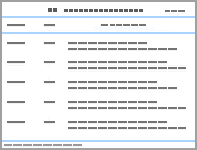
Tab 1
Mechanism of intratumoral microbiota affecting the occurrence, development, and treatment response of breast cancer
| 菌群 | 作用机制 | 对肿瘤的影响 | 治疗响应 | 文献 |
|---|---|---|---|---|
| 产肠毒素脆弱拟杆菌 | BFT→ROS→γ-H2AX; Notch1/Wnt/β-catenin通路 | 诱导DNA损伤; 增强侵袭性及干性;化疗耐药 | 化疗 | [ |
| 具核梭杆菌 | FadA→E-cadherin/β-catenin→CHK2; TLR4/MyD88→自噬;METTL3→m6A修饰 | 诱导DNA损伤;促进免疫逃逸及肿瘤转移;化疗耐药 | 化疗 | [ |
| 大肠埃希菌 | 诱导DNA双链断裂;STAT3通路 | 增强干性;诱导EMT;促进肿瘤生长 | 化疗 | [ |
| 金黄色葡萄球菌 | RIG-I样受体→NF-κB→CCL5-CCR5; 肽聚糖→TLR2-NF-κB | 促炎;促进肿瘤转移;增强侵袭性 | / | [ |
| 铜绿假单胞菌 | 群体感应信号分子3oc→TGF-β→ErbB2磷酸化 | 促进曲妥珠单抗耐药 | 抗HER2靶向治疗 | [ |
| 约氏乳杆菌 | IPA/睾酮 → CD8+ T细胞浸润 | 增敏免疫治疗 | 免疫治疗 | [ |
| 双歧杆菌 | STING通路 | 增敏免疫治疗 | 免疫治疗 | [ |
| 枯草芽孢杆菌 | EPS → IKKβ/STAT1通路 | 诱导内分泌治疗耐药 | 内分泌治疗 | [ |
| [1] |
Nejman D, Livyatan I, Fuks G, et al. The human tumor microbiome is composed of tumor type-specific intracellular bacteria[J]. Science, 2020, 368(6494):973-980.
doi: 10.1126/science.aay9189 pmid: 32467386 |
| [2] |
Tzeng A, Sangwan N, Jia M, et al. Human breast microbiome correlates with prognostic features and immunological signatures in breast cancer[J]. Genome Med, 2021, 13(1):60.
doi: 10.1186/s13073-021-00874-2 pmid: 33863341 |
| [3] |
Banerjee S, Tian T, Wei Z, et al. Distinct microbial signatures associated with different breast cancer types[J]. Front Microbiol, 2018, 9:951.
doi: 10.3389/fmicb.2018.00951 pmid: 29867857 |
| [4] |
Banerjee S, Wei Z, Tian T, et al. Prognostic correlations with the microbiome of breast cancer subtypes[J]. Cell Death Dis, 2021, 12(9):831.
doi: 10.1038/s41419-021-04092-x pmid: 34482363 |
| [5] |
Urbaniak C, Gloor G B, Brackstone M, et al. The microbiota of breast tissue and its association with breast cancer[J]. Appl Environ Microbiol, 2016, 82(16):5039-5048.
doi: 10.1128/AEM.01235-16 URL |
| [6] |
Goodwin A C, Destefano Shields C E, Wu S, et al. Polyamine catabolism contributes to enterotoxigenic Bacteroides fragilis-induced colon tumorigenesis[J]. Proc Natl Acad Sci U S A, 2011, 108(37):15354-15359.
doi: 10.1073/pnas.1010203108 URL |
| [7] |
Guo P, Tian Z, Kong X, et al. FadA promotes DNA damage and progression of Fusobacterium nucleatum-induced colorectal cancer through up-regulation of chk2[J]. J Exp Clin Cancer Res, 2020, 39(1):202.
doi: 10.1186/s13046-020-01677-w pmid: 32993749 |
| [8] |
Park S R, Kim D J, Han S H, et al. Diverse toll-like receptors mediate cytokine production by fusobacterium nucleatum and aggregatibacter actinomycetemcomitans in macrophages[J]. Infect Immun, 2014, 82(5):1914-1920.
doi: 10.1128/IAI.01226-13 URL |
| [9] |
Zhao H, Zhang L, Du D, et al. The RIG-Ⅰ-like receptor signaling pathway triggered by Staphylococcus aureus promotes breast cancer metastasis[J]. Int Immunopharmacol, 2024, 142:113195.
doi: 10.1016/j.intimp.2024.113195 URL |
| [10] |
Xie W, Huang Y, Xie W, et al. Bacteria peptidoglycan promoted breast cancer cell invasiveness and adhesiveness by targeting toll-like receptor 2 in the cancer cells[J]. PLOS ONE, 2010, 5(5):e10850.
doi: 10.1371/journal.pone.0010850 URL |
| [11] |
Bernardo G, Le Noci V, Ottaviano E, et al. Reduction of Staphylococcus epidermidis in the mammary tumor microbiota induces antitumor immunity and decreases breast cancer aggressiveness[J]. Cancer Letter, 2023, 555:216041.
doi: 10.1016/j.canlet.2022.216041 URL |
| [12] |
Parhi L, Alon-Maimon T, Sol A, et al. Breast cancer colonization by Fusobacterium nucleatum accelerates tumor growth and metastatic progression[J]. Nat Commun, 2020, 11(1):3259.
doi: 10.1038/s41467-020-16967-2 |
| [13] |
Van der Merwe M, Van Niekerk G, Botha A, et al. The onco-immunological implications of Fusobacterium nucleatum in breast cancer[J]. Immunol Lett, 2021, 232:60-66.
doi: 10.1016/j.imlet.2021.02.007 URL |
| [14] |
Chen Y, Peng Y, Yu J, et al. Invasive Fusobacterium nucleatum activates betacatenin signaling in colorectal cancer via a TLR4/PPAK1 cascade[J]. Oncotarget, 2017, 8(19):31802-31814.
doi: 10.18632/oncotarget.v8i19 URL |
| [15] |
Guo X, Yu K, Huang R. The ways Fusobacterium nucleatum translocate to breast tissue and contribute to breast cancer development[J]. Mol Oral Microbiol, 2024, 39(1):1-11.
doi: 10.1111/omi.v39.1 URL |
| [16] |
Yao B, Liu X, Ruan K, et al. Divergent tumor immunity determined by bacteria-cancer cell engagement[J]. Cell, 2026, 189(6):1748-1767.e26.
doi: 10.1016/j.cell.2025.12.044 URL |
| [17] | Nandi D, Parida S, Verma D, et al. Spermine oxidase serves as a key functional node in microbial dysbiosis-induced breast carcinogenesis[J]. Cancer Res, 2026, 86(8):1920-1938. |
| [18] |
Giallourou N, Urbaniak C, Puebla-Barragan S, et al. Characterizing the breast cancer lipidome and its interaction with the tissue microbiota[J]. Commun Biol, 2021, 4(1):1229.
doi: 10.1038/s42003-021-02710-0 pmid: 34707244 |
| [19] | AlMalki R H, Sebaa R, Al-Ansari M M, et al. E. coli secretome metabolically modulates MDA-MB-231 breast cancer cells' energy metabolism[J]. Int J Mol, 2023, 24(4):4219. |
| [20] |
Verma D, Nandi D, Parida S, et al. An enteropathogenic microbial toxin modulates the breast cancer epigenome resulting in concurrent silencing of tumor suppressor genes[J]. Breast Cancer Res, 2025, 27(1):163.
doi: 10.1186/s13058-025-02111-9 pmid: 41013770 |
| [21] |
Guo S, Chen F, Li L, et al. Intracellular Fusobacterium nucleatum infection increases METTL3-mediated m6A methylation to promote the metastasis of esophageal squamous cell carcinoma[J]. J Adv Res, 2024, 61:165-178.
doi: 10.1016/j.jare.2023.08.014 URL |
| [22] |
Huang Y, Guo Z, Zeng Z, et al. Fusobacterium nucleatum promotes metastasis of breast cancer via the miR-21-3p/FOXO3 axis[J]. Front Oncol, 2025, 15:1530269.
doi: 10.3389/fonc.2025.1530269 URL |
| [23] |
Contreras-Leal E, Hernández-Oliveras A, Flores-Peredo L, et al. Histone deacetylase inhibitors promote the expression of ATP2A3 gene in breast cancer cell lines[J]. Mol Carcinog, 2016, 55(10):1477-1485.
doi: 10.1002/mc.22402 URL |
| [24] |
Parida S, Wu S, Siddharth S, et al. A procarcinogenic colon microbe promotes breast tumorigenesis and metastatic progression and concomitantly activates notch and β-catenin axes[J]. Cancer Discov, 2021, 11(5):1138-1157.
doi: 10.1158/2159-8290.CD-20-0537 pmid: 33408241 |
| [25] |
Chen G, Gao C, Jiang S, et al. Fusobacterium nucleatum outer membrane vesicles activate autophagy to promote oral cancer metastasis[J]. J Adv Res, 2024, 56:167-179.
doi: 10.1016/j.jare.2023.04.002 URL |
| [26] |
Alshehri J H, Al-Nasrallah H K, Al-Ansari M M, et al. Activation of mammary epithelial and stromal fibroblasts upon exposure to escherichia coli metabolites[J]. Cells, 2024, 13(20):1723.
doi: 10.3390/cells13201723 URL |
| [27] |
Fu A, Yao B, Dong T, et al. Tumor-resident intracellular microbiota promotes metastatic colonization in breast cancer[J]. Cell, 2022, 185(8):1356-1372.e26.
doi: 10.1016/j.cell.2022.02.027 pmid: 35395179 |
| [28] |
Ma W, Zhang L, Chen W, et al. Microbiota enterotoxigenic Bacteroides fragilis-secreted BFT-1 promotes breast cancer cell stemness and chemoresistance through its functional receptor NOD1[J]. Protein Cell, 2024, 15(6):419-440.
doi: 10.1093/procel/pwae005 URL |
| [29] |
Yu T, Guo F, Yu Y, et al. Fusobacterium nucleatum promotes chemoresistance to colorectal cancer by modulating autophagy[J]. Cell, 2017, 170(3):548-563.e16.
doi: 10.1016/j.cell.2017.07.008 URL |
| [30] |
Chiba A, Bawaneh A, Velazquez C, et al. Neoadjuvant chemotherapy shifts breast tumor microbiota populations to regulate drug responsiveness and the development of metastasis[J]. Mol Cancer Res, 2020, 18(1):130-139.
doi: 10.1158/1541-7786.MCR-19-0451 pmid: 31628201 |
| [31] |
Lasagna A, De Amici M, Rossi C, et al. The bio-diversity and the role of gut microbiota in postmenopausal women with luminal breast cancer treated with aromatase inhibitors: an observational cohort study[J]. Pathogens, 2022, 11(12):1421.
doi: 10.3390/pathogens11121421 URL |
| [32] | Arnone A A, Cook K L. Gut and breast microbiota as endocrine regulators of hormone receptor-positive breast cancer risk and therapy response[J]. Endocrinology, 2022, 164(1):bqac177. |
| [33] |
Chen K L A, Liu X, Zhao Y C, et al. Long-term administration of conjugated estrogen and bazedoxifene decreased murine fecal β-glucuronidase activity without impacting overall microbiome community[J]. Sci Rep, 2018, 8(1):8166.
doi: 10.1038/s41598-018-26506-1 pmid: 29802368 |
| [34] |
Arnone A A, Ansley K, Heeke A L, et al. Gut microbiota interact with breast cancer therapeutics to modulate efficacy[J]. EMBO Mol Med, 2025, 17(2):219-234.
doi: 10.1038/s44321-024-00185-0 pmid: 39820166 |
| [35] |
Nguyen M R, Ma E, Wyatt D, et al. The effect of an exopolysaccharide probiotic molecule from Bacillus subtilis on breast cancer cells[J]. Front Oncol, 2023, 13:1292635.
doi: 10.3389/fonc.2023.1292635 URL |
| [36] | Qin G, Shao X, Liu X, et al. A signaling molecule from intratumor bacteria promotes trastuzumab resistance in breast cancer cells[J]. Proc Natl Acad Sci U S A, 2025, 122(2):e2421710122. |
| [37] |
Jia D, Wang Q, Qi Y, et al. Microbial metabolite enhances immunotherapy efficacy by modulating T cell stemness in pan-cancer[J]. Cell, 2024, 187(7):1651-1665.e21.
doi: 10.1016/j.cell.2024.02.022 URL |
| [38] |
Wang H, Rong X, Zhao G, et al. The microbial metabolite trimethylamine N-oxide promotes antitumor immunity in triple-negative breast cancer[J]. Cell Metab, 2022, 34(4):581-594.e8.
doi: 10.1016/j.cmet.2022.02.010 pmid: 35278352 |
| [39] |
Kalaora S, Nagler A, Nejman D, et al. Identification of bacteria-derived HLA-bound peptides in melanoma[J]. Nature, 2021, 592(7852):138-143.
doi: 10.1038/s41586-021-03368-8 |
| [40] |
Shi Y, Zheng W, Yang K, et al. Intratumoral accumulation of gut microbiota facilitates CD47-based immunotherapy via STING signaling[J]. J Exp Med, 2020, 217(5):e20192282.
doi: 10.1084/jem.20192282 URL |
| [41] |
Huang Y, Zhu N, Zheng X, et al. Intratumor microbiome analysis identifies positive association between megasphaera and survival of Chinese patients with pancreatic ductal adenocarcinomas[J]. Front Immunol, 2022, 13:785422.
doi: 10.3389/fimmu.2022.785422 URL |
| [42] |
Gurbatri C R, Lia I, Vincent R, et al. Engineered probio-tics for local tumor delivery of checkpoint blockade nanobodies[J]. Sci Transl Med, 2020, 12(530):eaax0876.
doi: 10.1126/scitranslmed.aax0876 URL |
| [43] |
Canale F P, Basso C, Antonini G, et al. Metabolic modulation of tumours with engineered bacteria for immunotherapy[J]. Nature, 2021, 598(7882):662-666.
doi: 10.1038/s41586-021-04003-2 |
| [44] | Yue L, Geng F, Jin J, et al. Lactobacillus reuteri assists engineered bacteria that target tumors to release PD-L1nb to mitigate the adverse effects of breast cancer immunotherapy[J]. Biotechnol J, 2024, 19(12):e202400428. |
| [45] |
Huang J, Tang Y, Xiang K, et al. Bacteria-powered LA@CaDGP biomotor: a multi-modal weapon integrating calcium overload, chemotherapy, and starvation for breast cancer therapy[J]. J Nanobiotechnol, 2026, 24(1):112.
doi: 10.1186/s12951-025-03968-w |
| [46] |
Yang L, Zhang Y, Chen T, et al. Dual targeting biomimetic nanoplatform eradicates oncogenic bacteria while reinvigorating anti-tumor immunity in breast cancer[J]. ACS Appl Mater Interfaces, 2025, 17(44):60319-60331.
doi: 10.1021/acsami.5c16642 URL |
| [47] | Xie Y, Wang J, Li L, et al. A metal chelation therapy to effectively eliminate breast cancer and intratumor bacteria while suppressing tumor metastasis by copper depletion and zinc ions surge[J]. Angew Chem Int Ed Engl, 2025, 64(5):e202417592. |
| [48] |
Gao J, Tang L, Fu C, et al. A nano-strategy for advanced triple-negative breast cancer therapy by regulating intratumoral microbiota[J]. Nano Lett, 2025, 25(15):6134-6144.
doi: 10.1021/acs.nanolett.5c00298 pmid: 40177896 |
| [49] |
Zhuang H, Wang R, Qi Y, et al. Nanocoated bacteria with H2S generation-triggered self-amplified photothermal and photodynamic effect for breast cancer therapy[J]. J Control Release, 2024, 373:507-519.
doi: 10.1016/j.jconrel.2024.07.036 URL |
| [50] | Yuan W, Jiang X, Qin J, et al. A smart all-in-one strategy based on hybrid bacteria with targeting drug delivery and spatiotemporal drug release to boost the synergistic therapeutic efficacy against TNBC[J]. Mater Today Bio, 2025, 32:101849. |
| [51] |
Zhai X, Shi X, Liu X, et al. Targeted enrichment of engineered bacteria on triple-negative breast cancer turns immunologically cold tumors hot[J]. Adv Sci, 2025, 12(47):e10171.
doi: 10.1002/advs.v12.47 URL |
| [52] |
Li S, Gao Y, Jiang D, et al. Ultrasound-activated nanoplatform counteracts triple-negative breast cancer via remodeling intratumoral microbiota-metabolism and indu-cing ferroptosis[J]. Biomater Res, 2026, 30:0317.
doi: 10.34133/bmr.0317 URL |
| [1] | You Yiqi, Dong Han, Xu Jie. Genetically Engineered Natural Killer Cells in Cancer Therapy: Advances, Challenges, and Future Directions [J]. J Shanghai Jiaotong Univ Sci, 2026, 31(3): 584-603. |
| [2] | YUAN Shuai, XU Guoping, YANG Li, SHI Youyang, WEI Min. Single-port breast endoscopy-assisted prepectoral implant placement versus open subpectoral implant placement in stage Ⅰ breast reconstruction: a retrospective study [J]. Journal of Surgery Concepts & Practice, 2026, 31(03): 250-256. |
| [3] | CHEN Yuanyuan, WANG Jie, CHEN Fang. Clinicopathological characteristics and prognosis of synchronous bilateral breast cancer [J]. Journal of Surgery Concepts & Practice, 2026, 31(03): 243-249. |
| [4] | WU Chunxiao, PANG Yi, GU Kai, CHEN Lei, WU Mengyin, YANG Qundi, SHI Yan. Incidence and mortality analysis of female breast cancer in Shanghai: population-based study from 2002 to 2021 [J]. Journal of Surgery Concepts & Practice, 2026, 31(03): 234-242. |
| [5] | XU Jiayan, ZHU Siji. Topical topics of CDK4/6 inhibitors in adjuvant treatment of early breast cancer [J]. Journal of Surgery Concepts & Practice, 2026, 31(03): 227-233. |
| [6] | WANG Haoyu, ZHU Siji, LI Anqi, CHEN Xiaosong. Application and prospects of circulating tumor DNA in the precision diagnosis and treatment of breast cancer [J]. Journal of Surgery Concepts & Practice, 2026, 31(03): 212-217. |
| [7] | RUAN Miao, FEI Xiaochun, DA Qian. Digital pathology and artificial intelligence-assisted diagnosis in breast cancer [J]. Journal of Surgery Concepts & Practice, 2026, 31(03): 204-211. |
| [8] | SHANG Qingyao, DONG Xubin, YUE Jiaxian, WANG Xin. De-escalation trends in axillary management for breast cancer: evidence-based progress and future directions [J]. Journal of Surgery Concepts & Practice, 2026, 31(03): 191-195. |
| [9] | ZHU Nengjun, CAO Jian, CHEN Xiaosong, ZHU Siji. Large language models empower precision decision-making in breast surgery and whole-cycle patient management [J]. Journal of Surgery Concepts & Practice, 2026, 31(03): 185-190. |
| [10] | LU Tingyan, ZHAO Haoran, SHI Songchang, LI Zongyao, SHAO Yanfei, CHEN Jingxian, SUN Jing. Progress of traditional Chinese herbal medicine Vanderbylia robiniophila in the treatment of malignant tumors of digestive system [J]. Journal of Surgery Concepts & Practice, 2026, 31(02): 175-182. |
| [11] | LIU Jinyue, QIU Weihua. Advance in cancer-associated fibroblasts in thyroid cancer [J]. Journal of Surgery Concepts & Practice, 2026, 31(02): 158-162. |
| [12] | LIU Dan, CHEN Ying, XIE Fengfeng, et al. Clinical practice and exploration of intercostal perforator flap for immediate nipple reconstruction in patients with prosthetic breast reconstruction [J]. Journal of Tissue Engineering and Reconstructive Surgery, 2025, 21(6): 575-. |
| [13] |
GAO Minzhe, YU Ziyou, WANG Li, et al.
Study on the mechanism of CDT in the treatment of breast cancer-related stage Ⅲ lymphedema (ICG) lymphography
[J]. Journal of Tissue Engineering and Reconstructive Surgery, 2025, 21(4): 362-.
|
| [14] | YANG Qingyu, ZENG Yuanyuan, WANG Qiuzhou, et al. Influence of mutual support intervention on the level of family care and social support in patients with prosthesis reconstruction after modified radical breast surgery [J]. Journal of Tissue Engineering and Reconstructive Surgery, 2025, 21(3): 283-. |
| [15] | CAO Weigang, YANG Zhenlin. Clinical experience of autologous flap reconstruction of chest wall defects after breast cancer surgery [J]. Journal of Tissue Engineering and Reconstructive Surgery, 2025, 21(3): 225-. |
| Viewed | ||||||
|
Full text |
|
|||||
|
Abstract |
|
|||||
